Chicken Coop Kits Compared: What to Know Before Buying

Affiliate disclosure: Some links on this page are affiliate links. If you buy through them we earn a small commission at no extra cost to you. Recommendations are research-driven; we don't claim personal use of every product reviewed. Product prices and availability are accurate as of the date published and are subject to change. Always check Amazon for current pricing before purchasing. Learn more.
Quick Picks
CHIKENCOOP 9.8 x 6.5 x 6.5 ft Metal Chicken Coop, Chicken Run with Cover
Metal construction provides durability against predators and weather
Buy on AmazonMobile Chicken Coop with Wheels for 4-6 Chickens, Large Outdoor Hen House with Run, Weatherproof Asphalt Roof,
Wheels enable relocation for fresh grazing areas and yard rotation
Buy on AmazonVEVOR Metal Chicken Coop, 6.56x6.56x6.56ft Large Walk-in Chicken Run with Cover, Spire Roof Hen House Enclosure with
Metal construction resists rust and extends outdoor durability
Buy on Amazon| Product | Price Range | Top Strength | Key Weakness | Buy |
|---|---|---|---|---|
| CHIKENCOOP 9.8 x 6.5 x 6.5 ft Metal Chicken Coop, Chicken Run with Cover best overall | $$ | Metal construction provides durability against predators and weather | Metal coop requires regular maintenance to prevent rust over time | Buy on Amazon |
| Mobile Chicken Coop with Wheels for 4-6 Chickens, Large Outdoor Hen House with Run, Weatherproof Asphalt Roof, also consider | $$ | Wheels enable relocation for fresh grazing areas and yard rotation | Mobile design may require regular maintenance of wheels and joints | Buy on Amazon |
| VEVOR Metal Chicken Coop, 6.56x6.56x6.56ft Large Walk-in Chicken Run with Cover, Spire Roof Hen House Enclosure with also consider | $$ | Metal construction resists rust and extends outdoor durability | Metal frame may require assembly and periodic maintenance | Buy on Amazon |
| Large Walk-in Chicken Coop with Chicken Run, Galvanized Poultry Enclosure with Waterproof Anti-UV Cover and Security also consider | $$ | Anti-UV waterproof cover provides weather protection for outdoor use | Stationary structure limits flexibility compared to mobile chicken tractors | Buy on Amazon |
| Quictent Essential Series 18x9ft Metal Chicken Coop Run w/Climbing Ladder also consider | $$ | Metal construction provides durability and rust resistance for outdoor use | Large size requires significant yard space and assembly effort | Buy on Amazon |
Choosing a chicken coop kit is one of those decisions that looks simple until you’ve made the wrong one. The right structure keeps your birds safe, dry, and comfortable through every season — the wrong one fails at the first hard frost, or the first determined fox. For anyone building or expanding a backyard flock, the full range of chicken coop options is worth understanding before committing to a specific kit.
The kits covered here are all-metal or metal-frame enclosures with integrated runs — built to hold up outdoors without the guesswork of sourcing separate components. Each one represents a different set of trade-offs in size, mobility, and setup complexity. The goal is to make those trade-offs clear.
What to Look For in a Chicken Coop Kit
Construction Material and Predator Resistance
The flat-pack coop I started with didn’t survive its first Vermont winter. That lesson — cheap construction fails in exactly the conditions that matter most — shapes every recommendation here. Material quality is the first filter.
Metal-frame enclosures have replaced wood-and-wire flat-packs as the standard for good reason. Galvanized steel and powder-coated aluminum resist moisture, don’t rot, and close the gaps that determined predators exploit. The gauge of the wire mesh matters as much as the frame itself: thinner mesh bends, and a bent panel is an opening. After losing two birds to a fox the spring after that first coop failed, predator resistance stopped being a nice-to-have.
Look for double-latched doors, tight mesh junctions, and frame corners that don’t leave gaps at ground level. A coop that looks solid from a distance can still have weak points at the seams.
Size and Flock Capacity
The commonly cited rule — four square feet of coop space per bird, ten square feet of run — is a floor, not a target. Crowded birds are stressed birds, and stressed birds peck, stop laying, and get sick. Match the coop to the flock you have now, then add buffer for growth.
Walk-in designs earn their keep the moment you need to clean or collect eggs in a hurry. Stooping into a four-foot structure twice a day gets old fast. If the kit is large enough for you to stand in, maintenance becomes routine rather than a deterrent — and routine maintenance is what keeps a coop sanitary and the flock healthy.
For flocks of four to six birds, a structure in the 6.5-by-6.5-foot range is workable. Flocks pushing ten or more need something in the 18-by-9-foot category, or a second enclosure.
Weather Protection
A roof that sheds water reliably is non-negotiable. Saturated bedding breeds respiratory illness; a dry coop is a healthy coop. Asphalt roofing material handles rain and snow load better than flat tarps. Anti-UV coatings on covers extend material life in high-sun climates and prevent the kind of brittle cracking that creates gaps.
Ventilation is the counterpoint to weatherproofing: a sealed coop that traps ammonia is worse than one that lets in a draft. Good kits integrate ventilation into the design — ridge vents, mesh panels that can be opened in summer and covered in winter — without requiring aftermarket modifications.
Exploring the full range of chicken housing options before committing to a style is worth the time, especially if your climate sits at an extreme.
Assembly and Setup Requirements
Most metal coop kits arrive in multiple boxes and require two people for assembly. That’s not a flaw, but it’s a planning consideration. Check whether the kit includes all hardware, whether the instructions include actual measurements, and whether panel alignment is tolerant of minor ground irregularities.
Fixed-footprint coops need level, stable ground. Mobile designs with wheels allow repositioning but require reasonably firm terrain — deep mud or steep slopes make wheel-based movement impractical. For setups where yard access is limited, measure twice before ordering.
Top Picks
CHIKENCOOP 9.8 x 6.5 x 6.5 ft Metal Chicken Coop
CHIKENCOOP 9.8 x 6.5 x 6.5 ft Metal Chicken Coop is the pick for buyers who want a substantial all-in-one enclosure without moving parts to maintain. The 9.8-by-6.5-by-6.5-foot footprint gives multiple birds real room — enough that a flock of six to eight can range without crowding, and enough vertical clearance to work inside without serious discomfort.
Metal construction throughout is the deciding factor over comparably sized wood-frame or wire kits. Owner reports consistently highlight the structure’s resistance to flex and gap formation over time — the kind of structural integrity that matters when a predator is testing the perimeter at 2 a.m. The integrated cover design means weather protection comes standard, without sourcing a separate tarp or roof panel.
The trade-off is maintenance: metal exposed to moisture needs periodic inspection for rust at welds and cut edges. Set a seasonal reminder to check those joints, and treat any surface rust early. The larger footprint also demands a real dedicated space — this isn’t a kit that tucks into a corner.
Check current price on Amazon.
Mobile Chicken Coop with Wheels for 4-6 Chickens
For small flocks on grass, the mobility argument is hard to counter. The Mobile Chicken Coop with Wheels for 4-6 Chickens does what stationary coops can’t: it lets you rotate the flock to fresh ground, which matters both for pasture health and for breaking parasite cycles that build up in fixed-location runs.
Capacity is honest — four to six birds, not eight. The run dimensions reflect that ceiling, and pushing beyond it shows in bird behavior and ground condition. Within that range, the asphalt roof and weatherproof construction hold up across seasons in owner reports from wet Pacific Northwest climates and cold Midwest winters alike.
Wheels and joints require the same seasonal inspection the metal coops do, with the added consideration that moving parts loosen under repeated use. Check fasteners at the axle points each spring. For buyers with yards that permit rotation, the trade-off is worth it.
Check current price on Amazon.
VEVOR Metal Chicken Coop 6.56x6.56x6.56ft
The VEVOR Metal Chicken Coop 6.56x6.56x6.56ft is the walk-in option for buyers who prioritize daily usability over maximum square footage. The cubic footprint — equal dimensions on all sides — is a practical shape for corner placement, and the spire roof clears standing water and snow load more effectively than a flat-topped design.
The VEVOR’s rust-resistant metal construction and integrated cover put it in the same functional category as the CHIKENCOOP, with a slightly more compact footprint. For flocks up to eight birds, the walk-in clearance makes cleaning and egg collection straightforward enough that it becomes routine rather than a chore to defer. Owner feedback flags assembly as a two-person job — budget two to three hours and don’t try to rush the panel alignment.
Scalability is the one real limitation. The fixed 6.56-foot dimension means there’s no adding panels if the flock grows. Buyers who anticipate expansion should look at the larger footprints in this list.
Check current price on Amazon.
Large Walk-in Chicken Coop with Galvanized Run
The Large Walk-in Chicken Coop with Chicken Run makes the strongest case for buyers whose primary concerns are long-term durability and ease of daily access. Galvanized construction — not just coated — resists rust at a structural level rather than relying on a surface treatment that chips over time. The anti-UV waterproof cover adds weather protection without the brittleness that cheaper tarps develop after a season or two of sun.
Walk-in clearance is full adult height, which changes the maintenance math entirely. Hauling water twice a day in January is already a chore; doing it stooped into a four-foot structure compounds it. The ability to stand upright while filling waterers, checking birds, and collecting eggs is a genuine quality-of-life factor that compounds across years of daily use.
The stationary footprint is a real trade-off for anyone interested in pasture rotation, but for a permanent installation with a stable flock size, the galvanized construction and human-scale access make this the stronger long-term choice among the stationary options here.
Check current price on Amazon.
Quictent Essential Series 18x9ft Metal Chicken Coop Run
The Quictent Essential Series 18x9ft Metal Chicken Coop Run is the pick for larger flocks or buyers who want genuine run room rather than just adequate square footage. At 18 by 9 feet, the footprint is significantly larger than anything else on this list — enough space that ten to twelve birds can range, scratch, and behave like birds rather than like crowded inmates.
The integrated climbing ladder is a feature that earns more practical value than it initially suggests. Birds that can engage in natural behaviors — perching, climbing, foraging — show less stress-related pecking and higher overall productivity. It’s a design detail that reflects real understanding of flock behavior, not just a marketing addition.
Assembly effort scales with size. This is a significant structure, and the setup is a day’s project with two people and good instructions. The metal construction and rust resistance are consistent with verified buyer reports, but the scale means any assembly errors in panel alignment are harder to correct mid-build. Take the time to read the instructions fully before opening boxes.
Check current price on Amazon.
Buying Guide
How Much Space Does Your Flock Actually Need?
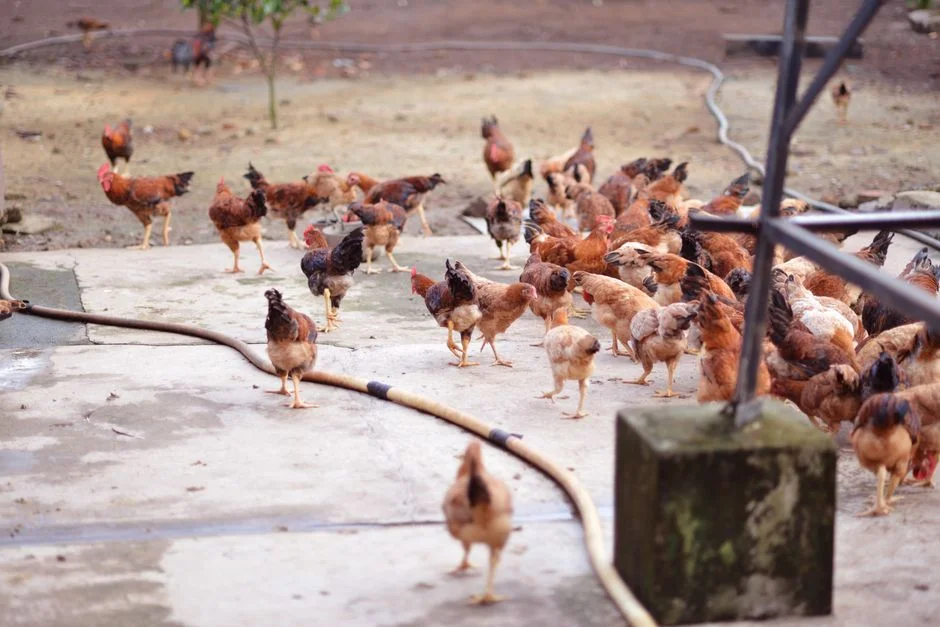
The honest answer is more than most first-time buyers plan for. The four-square-feet-per-bird figure circulates widely, but it treats space as a minimum viable number rather than a welfare standard. Owner reports across forum communities consistently show that flocks at or near the minimum threshold show more stress behaviors — feather pecking, reduced laying, respiratory illness from ammonia buildup — than flocks with real room to move.
A flock of four to six birds benefits from a 6.5-by-6.5-foot enclosure at minimum. A flock pushing ten needs something in the 18-by-9-foot range, or a second structure. Size up if you’re uncertain — you’ll add birds before you subtract them.
Fixed vs. Mobile: Which Setup Fits Your Yard?
Stationary coops are simpler, more stable, and easier to secure at the perimeter. They’re the right answer for permanent installations on level ground where predator pressure is high. Mobile coops with wheels allow pasture rotation, which benefits both the birds and the grass — but the mobility benefit only materializes if the yard layout and terrain actually support regular movement.
Before choosing mobile, walk the yard with that question in mind: is the ground firm enough, flat enough, and clear enough to actually move the structure seasonally? If the honest answer is no, a mobile coop adds maintenance complexity without delivering the rotation benefit it’s designed for.
Metal Construction: What to Actually Inspect
Not all metal enclosures age the same way. Galvanized steel resists rust at a structural level. Powder-coated steel protects the surface but becomes vulnerable if the coating chips. The difference matters most at welds, cut edges, and fastener holes — the points where moisture gets in.
Seasonal inspection is the habit that extends coop life. Check welds and joints each spring and fall. Treat surface rust immediately with a wire brush and rust-inhibiting primer rather than waiting for it to spread. Hardware cloth connections at ground level deserve particular attention, since soil contact accelerates corrosion. For the full range of housing options that suit different maintenance preferences, the chicken coop hub covers alternatives beyond metal-frame kits.
Assembly: Planning for Two People and Real Time
Metal coop kits in this size range are not single-afternoon projects. Panel counts, hardware quantities, and alignment tolerances all increase with footprint size. The 18-by-9-foot Quictent is a day’s work. The 6.56-foot VEVOR is two to three hours. Attempting either solo makes both harder and introduces alignment errors that compound.
Read the instructions before opening any boxes. Lay out all components and verify hardware counts before starting. Establish a level surface or account for grade — most metal frames are forgiving of minor irregularities, but significant slope throws off panel alignment and leaves ground-level gaps. A gap at the base is a predator access point.
Predator Security: Where Kits Succeed and Where They Don’t
Metal construction and tight mesh close off the most common vectors: chewing, pushing, and squeezing. What most kits don’t address is burrowing. Foxes and raccoons that find a well-secured perimeter will sometimes dig under it. An apron of hardware cloth laid horizontally along the outside perimeter — pinned to the ground — solves this. It doesn’t have to be deep; eighteen inches outward from the base is enough to deter most diggers.
For buyers coming from a wood-frame or wire coop that’s already had a predator incident, the metal kits here represent a meaningful security upgrade. For first-time buyers, the coop is step one — a complete predator plan also covers the ground. Refer to the broader Chicken Coop buying guide for a fuller treatment of site preparation and predator proofing alongside kit selection.
Frequently Asked Questions
How many chickens can a 6x6-foot chicken coop kit actually hold?
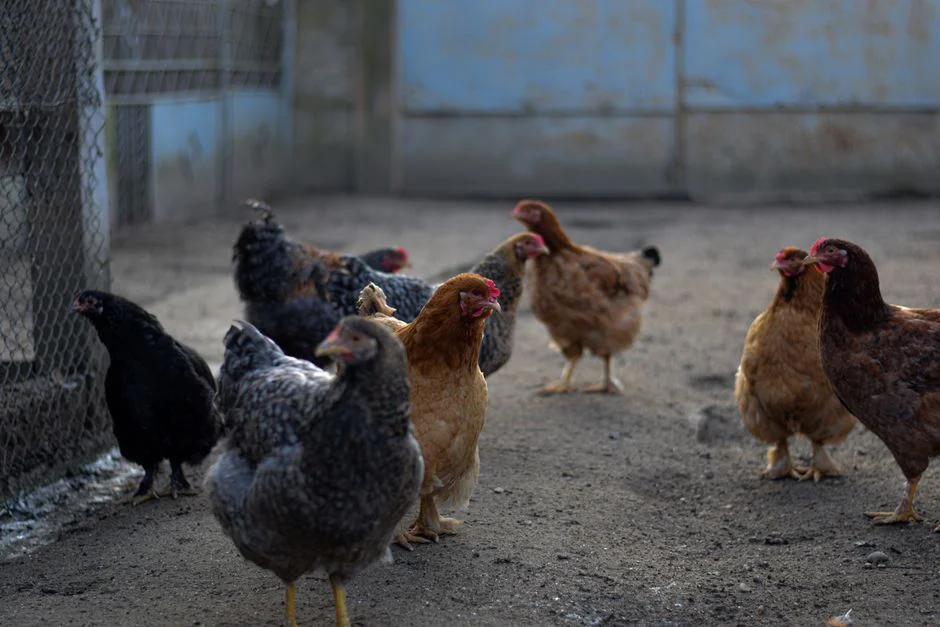
A 6-by-6-foot enclosure — 36 square feet of run — is workable for five to six standard-sized hens at a welfare-appropriate stocking density. Pushing beyond six in that space produces the stress behaviors owners report most often: feather pecking, reduced laying, and health issues tied to ammonia buildup from crowded conditions. If the flock is already at five and likely to grow, the next size up is the better starting point.
Is a mobile chicken coop kit worth it, or should I choose a stationary structure?
The rotation benefit is real, but only if the yard supports it. Mobile coops with wheels allow you to move the flock to fresh ground, which breaks parasite cycles and rests worn pasture. For yards with firm, reasonably level ground and enough clear space to actually relocate the structure seasonally, mobility is a genuine advantage. For yards with soft ground, significant slope, or tight corners, a stationary coop is more practical and easier to secure at the base.
What’s the difference between galvanized and powder-coated metal in a coop kit?
Galvanized steel has zinc bonded to the steel throughout the material — it resists rust at a structural level, including at cuts and welds. Powder-coated steel has a protective surface layer that’s vulnerable once it chips or scratches, exposing bare metal to moisture. Both are improvements over untreated steel, but galvanized holds up better at fastener holes, cut edges, and ground-contact points where moisture concentration is highest.
Do metal chicken coop kits require a concrete or wood base?
Most metal-frame kits in this range don’t require a poured base — they’re designed to sit on level ground with the frame staked or weighted in place. The more important consideration is the ground-level perimeter: bare soil at the base creates a burrowing access point for foxes and raccoons. Hardware cloth laid horizontally as an apron around the outside perimeter — eighteen inches outward from the base — closes that vulnerability without requiring a permanent foundation.
Which coop kit is better for a small flock of four birds — the CHIKENCOOP or the mobile option?
For four birds with a yard that permits rotation, the Mobile Chicken Coop with Wheels for 4-6 Chickens delivers a practical benefit the CHIKENCOOP can’t: regular access to fresh ground. The capacity range is honest and fits four birds comfortably. If the yard doesn’t support rotation — soft ground, significant obstacles, limited clear space — the CHIKENCOOP’s fixed structure is simpler to secure and easier to winterize for cold-climate setups.

Where to Buy
CHIKENCOOP 9.8 x 6.5 x 6.5 ft Metal Chicken Coop, Chicken Run with CoverSee CHIKENCOOP 9.8 x 6.5 x 6.5 ft Metal C… on Amazon