Chicken Grit Buyer's Guide: What to Know Before You Buy

Affiliate disclosure: Some links on this page are affiliate links. If you buy through them we earn a small commission at no extra cost to you. Recommendations are research-driven; we don't claim personal use of every product reviewed. Product prices and availability are accurate as of the date published and are subject to change. Always check Amazon for current pricing before purchasing. Learn more.
Quick Picks
Mile Four Chicken Grit Layer & Grower, Age 8-20+ Weeks, Quartzite, 4 lbs
Quartzite grit material supports digestive health in laying hens
Buy on AmazonHatortempt 5lb Grubs & Grits Chicken Grit, Duck Food, Chicken Feed
Dual-purpose formulation addresses both chicken and duck nutritional needs
Buy on AmazonManna Pro Chicken Grit with Probiotics for Healthy Chick Digestion, 5 lb
Probiotics inclusion supports digestive health beyond basic grit function
Buy on Amazon| Product | Price Range | Top Strength | Key Weakness | Buy |
|---|---|---|---|---|
| Mile Four Chicken Grit Layer & Grower, Age 8-20+ Weeks, Quartzite, 4 lbs best overall | $$ | Quartzite grit material supports digestive health in laying hens | Limited to specific growth stage; requires product switching for younger chicks | Buy on Amazon |
| Hatortempt 5lb Grubs & Grits Chicken Grit, Duck Food, Chicken Feed also consider | $$ | Dual-purpose formulation addresses both chicken and duck nutritional needs | Multi-species blend may not optimize nutrition for single poultry type | Buy on Amazon |
| Manna Pro Chicken Grit with Probiotics for Healthy Chick Digestion, 5 lb also consider | $$ | Probiotics inclusion supports digestive health beyond basic grit function | Probiotics may reduce shelf life compared to plain grit products | Buy on Amazon |
| Manna Pro Chick Grit Digestive Supplement for Young Growing Poultry & Bantam Breeds, No Artificial Ingredients or also consider | $$ | Formulated specifically for young poultry and bantam breeds' digestive needs | Grit supplements require consistent feeding schedules for effectiveness | Buy on Amazon |
Chickens that eat anything other than commercial feed need grit to do it safely. Without insoluble grit in the gizzard, whole grains, table scraps, and foraged material sit undigested — and that’s a problem that compounds quickly in a growing flock. The right grit product depends on age, flock size, and whether you’re keeping mixed species. A few details separate a useful purchase from a bag that sits unused because it doesn’t match your birds. For a broader look at what your flock eats and drinks, the feed and health hub is a good starting point.
Grit isn’t complicated, but the options have multiplied. Particle size, added ingredients, and age-range targeting vary more than most keepers expect. The four picks below cover the most common flock situations — from day-old chicks through laying hens.
What to Look For in Chicken Grit
Particle Size and Bird Age
Grit works by lodging in the gizzard, where the muscular walls use it to grind feed. The grit has to be sized correctly for that to happen. Chick grit is finely ground — roughly the size of coarse sand. Adult grit is considerably larger, sized for a gizzard that has been working for months. Giving a young chick adult-sized grit is not just ineffective; the particles can cause crop and gizzard problems.
Most manufacturers label by age range, which makes matching straightforward. The problem comes when a flock spans multiple age cohorts. In that case, buying separate products for chicks and adults is the right call — trying to split the difference with a single product usually means the wrong size for at least part of the flock.
Insoluble vs. Soluble Grit
Insoluble grit — granite, quartzite, flint — does not break down in the gizzard. That is the point. It stays in place, does its grinding work, and is replaced gradually as it wears down. Soluble grit — crushed oyster shell, limestone — dissolves in the digestive tract and contributes calcium. These are different products with different jobs.
Laying hens need calcium for shell quality, but that calcium need is met by oyster shell or a layer feed, not by grit. Conflating the two leads to either over-supplementing calcium or under-supplying the grinding function. If a product contains both, read the label carefully to understand what proportion of each you’re getting.
Added Ingredients: Probiotics and Dual-Species Blends
Some grit products include probiotics, which support gut flora and may reduce digestive upset during diet transitions. The evidence for probiotics in poultry is generally positive, but the benefit is modest compared to the grinding function itself. If your birds are healthy and on a stable diet, plain grit is adequate. If you’re transitioning chicks from starter to grower, or dealing with any digestive irregularity, a probiotic-enhanced grit is a reasonable choice.
Dual-species blends that claim to work for both chickens and ducks are worth scrutiny. Ducks process feed differently — they have no crop and rely more heavily on water to move food — and their nutritional requirements diverge from chickens in meaningful ways. A blend optimized for neither species is a compromise that may or may not serve your flock.
Package Size and Flock Scale
Grit is consumed slowly. A small backyard flock of four to six birds may go through a five-pound bag over several months. A flock of twelve or more will move through it faster, but it’s still not a high-volume consumable. The practical concern is storage: grit absorbs moisture and can clump if stored poorly, which makes bulk buying a liability unless you have dry, sealed storage.
For most small flocks, a five-pound bag is the practical sweet spot. It’s large enough to last, small enough to store without a dedicated container. Larger operations may find the economics favor bigger bags, but the storage condition matters more than the price-per-pound. Exploring the full range of consumables and health products before committing to a feeding routine is time well spent.
Top Picks
Mile Four Chicken Grit Layer & Grower, Age 8-20+ Weeks, Quartzite, 4 lbs
Mile Four Chicken Grit Layer & Grower addresses the most practical window in a hen’s life — the months between early chick care and full laying production. Quartzite is a dense, hard material that holds up well in the gizzard, and owner reports consistently note that birds take to it readily when offered free-choice.
The 8-to-20-plus-week age range is worth taking seriously. Growers in that window are building the gizzard muscle and gut function that will support them as layers. Getting the grit size right during this period matters, and this product is specifically sized for it. Flock owners who’ve run their birds on this report good digestive consistency through the grower stage.
The 4 lb package is the main trade-off. For a small flock of four to six birds, it’s a reasonable quantity. For a flock of ten or more, frequent reordering becomes a friction point. The more significant limitation is that this product doesn’t cover chicks under eight weeks, so it requires a separate chick grit purchase for the early weeks — a cost and a coordination point worth planning for.
Check current price on Amazon.
Hatortempt 5lb Grubs & Grits Chicken Grit, Duck Food, Chicken Feed
Hatortempt 5lb Grubs & Grits takes a different approach — combining grit function with a grubs-based feed element and positioning the product for both chickens and ducks. For mixed flocks that include ducks alongside chickens, having a single bag that handles both is genuinely convenient.
The grubs component adds protein and appeals strongly to birds’ foraging instincts. Verified buyers with mixed flocks note that chickens and ducks consume it readily, which is not always the case with novel feed products. The grit element supports gizzard function, and the 5 lb size reduces reorder frequency compared to the Mile Four option.
The limitation is specificity. A product designed for two species with different digestive systems is optimized for neither. For a flock that is chickens-only, a purpose-formulated chicken grit is a stronger nutritional choice. And because this product combines grit with feed, portion control is harder — birds eating more of the grubs component may not be consuming enough grit. It works well for mixed-species situations where simplicity matters. For a single-species flock, purpose-built grit is the cleaner option.
Check current price on Amazon.
Manna Pro Chicken Grit with Probiotics for Healthy Chick Digestion, 5 lb
Manna Pro Chicken Grit with Probiotics is formulated for chicks, with the addition of probiotics to support gut health through the digestion-establishing phase. The combination makes sense in context: chicks transitioning from hatch to a broader diet are vulnerable to digestive disruption, and supporting gut flora during that window has practical value.
Owner reports across multiple verified purchases consistently mention that chicks transition onto this product without resistance. The particle size is appropriate for young birds, and the probiotic inclusion doesn’t appear to create palatability issues — a concern with some probiotic additives. The 5 lb bag provides reasonable coverage for a small-to-medium chick brooder.
The shelf-life consideration is real. Probiotics are live cultures, and the product’s effectiveness depends on storage conditions and how long it’s been on the shelf before purchase. Buying from high-turnover retailers and storing in a cool, dry location is the right practice here. The chick-specific formulation also means this product has a limited useful window — once birds move into the grower stage, the particle size and probiotic profile are no longer matched to their needs.
Check current price on Amazon.
Manna Pro Chick Grit Digestive Supplement for Young Growing Poultry & Bantam Breeds
Manna Pro Chick Grit Digestive Supplement covers a specific gap that mixed or bantam-breed flocks often face. Bantam breeds are smaller-bodied, and standard chick grit — sized for large-fowl chicks — can be too coarse for bantams even at comparable ages. This product accounts for that difference.
The no-artificial-ingredients formulation reflects a preference that’s increasingly common among backyard keepers who are also thoughtful about their own food production. It doesn’t change the mechanical function of the grit, but it matters to the segment of keepers who run their birds on non-medicated feed and prefer to avoid unnecessary additives throughout the diet.
The trade-off is narrow application. This product suits young poultry and bantam breeds specifically. It is not appropriate for adult large-fowl chickens, and it’s not a multi-stage product. Flock owners who keep standard breeds and bantams together will need to manage grit offerings separately, which adds a feeding-management step. For a bantam-focused flock, or for keepers who prioritize clean-ingredient products at every stage, the specificity here is a feature rather than a limitation.
Check current price on Amazon.
Buying Guide
Free-Choice vs. Mixed-In Feeding
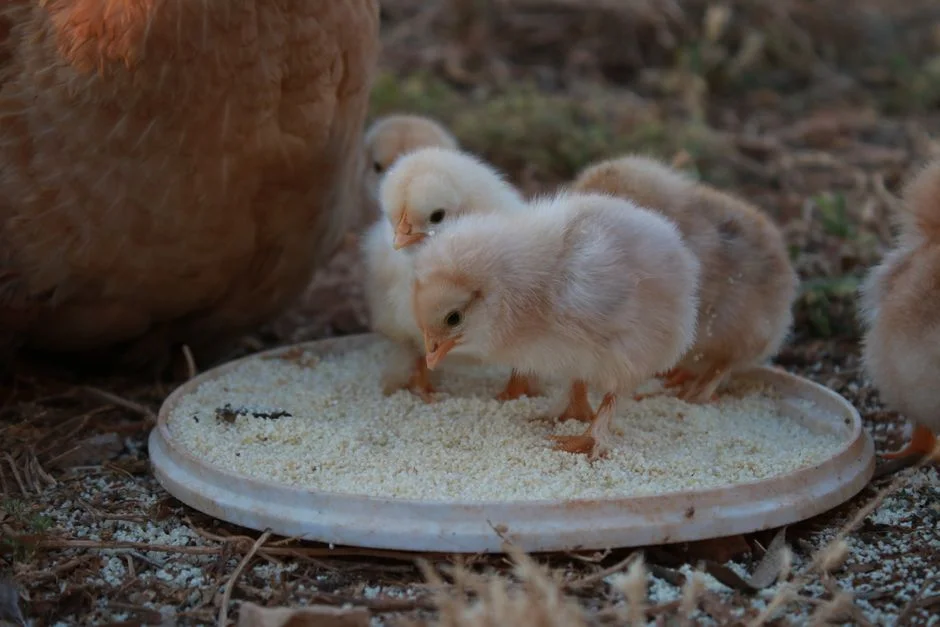
Grit should almost always be offered free-choice, not mixed into feed. When grit is mixed in, birds consume it in proportion to their feed intake — which may be more or less than their actual grit requirement. Gizzard need varies by diet; a bird eating mostly commercial pellets needs less grit than one foraging heavily. Free-choice access lets each bird self-regulate.
The practical setup is a small separate container near the feeder, accessible at all times. It doesn’t need to be elaborate — a small rubber dish works as well as a purpose-built grit feeder. What matters is that birds can access it without competition, particularly in larger flocks where subordinate birds get pushed off resources.
Do Confined Birds Need Grit?
Birds on a complete commercial pellet or crumble diet, confined with no access to forage, technically do not need grit — commercial feeds are ground fine enough that the gizzard can process them without it. This is a point of genuine debate among keepers, and the evidence is mixed.
The practical answer: grit is inexpensive, causes no harm when offered free-choice, and becomes essential the moment a bird has access to anything other than commercial feed — scratch, kitchen scraps, garden access, or insects. Most backyard flocks have at least occasional access to non-pellet material. Offering grit consistently is the lower-risk approach.
Age-Matching Is Not Optional
Particle size is the non-negotiable variable. Adult grit offered to chicks is a health risk. Chick grit offered to adults is largely ineffective — the particles are too small to lodge in a mature gizzard. This is not a fine-tuning issue; it’s a functional one.
The most common mistake is buying a single bag of adult grit for the whole flock when new chicks are being introduced. Chicks need their own correctly sized grit, offered separately, until they reach the appropriate size threshold — typically around 8 weeks for large-fowl breeds moving to grower-stage grit. See the feed and health resources at /feed-health/ for guidance on transitioning between feed and supplement stages.
Grit vs. Oyster Shell: Keeping Them Separate
Insoluble grit and oyster shell are often stored together because they look similar, but they are not interchangeable. Oyster shell dissolves in the digestive tract and should not be offered to chicks — calcium loading in young birds before the laying system matures causes kidney stress. Grit does not dissolve and is appropriate at all ages when properly sized.
Laying hens benefit from both: insoluble grit for gizzard function, oyster shell for calcium and shell quality. Both should be offered free-choice and in separate containers. Mixing them makes it impossible for birds to self-regulate either, and calcium overconsumption is a genuine risk when the two are combined.
Storage and Product Freshness
Plain insoluble grit — granite, quartzite, flint — has essentially indefinite shelf life when stored dry. It’s a rock. Probiotic-enhanced products are a different matter. Probiotics are live cultures, and heat, humidity, and time all degrade them. A probiotic grit that’s been stored in a warm barn over summer has likely lost most of its probiotic value, even if the grit function remains.
For probiotic products, buy in quantities your flock will consume within a few months, store in a sealed container in a cool location, and check the expiration date at purchase. For plain grit, storage conditions matter mainly for clumping prevention — a tight-lidded container in a dry space is all that’s needed.
Frequently Asked Questions
Do chickens need grit if they eat only pellets?
Technically, birds on a complete commercial pellet diet and fully confined can process that feed without grit — pellets are ground fine enough that the gizzard manages without it. The practical problem is that most backyard flocks have some access to scratch grains, scraps, or forage, which immediately makes grit necessary. Offering grit free-choice costs little and eliminates the risk of digestive problems the first time a bird eats something that isn’t ground feed.
What is the difference between chick grit and adult grit?
Particle size. Chick grit is finely ground to match the smaller, less developed gizzard of young birds — usually under eight weeks for large-fowl breeds. Adult grit is significantly coarser, sized for a mature gizzard with developed muscle. Offering adult grit to chicks risks impaction; offering chick grit to adults is largely ineffective.
Should I choose the Mile Four grit or one of the Manna Pro options for my eight-week-old pullets?
At eight weeks, Mile Four Chicken Grit Layer & Grower is the more appropriate choice — its 8-to-20-plus-week age range is specifically designed for pullets transitioning out of the chick stage. The Manna Pro chick formulations are optimized for younger birds and smaller particles. Making the switch at or around eight weeks, once birds are on grower feed, is the right timing for most large-fowl breeds.
Is grit the same thing as oyster shell?
No, and mixing them up causes real problems. Insoluble grit — quartzite, granite, flint — stays in the gizzard and grinds feed; it does not dissolve and contributes no calcium. Oyster shell dissolves in the digestive tract and provides calcium for eggshell production. Chicks should not receive oyster shell; the calcium load stresses kidneys before the laying system is functional.
Can I use chicken grit for ducks in a mixed flock?
Standard chicken grit and duck grit overlap significantly in particle size, and most insoluble grit products serve both species adequately for the grinding function. The Hatortempt 5lb Grubs & Grits product is specifically marketed for mixed chicken and duck use, which makes it a practical single-bag option for mixed flocks. The more important difference is that ducks have no crop, rely heavily on water to move food, and should always have water accessible alongside any grit or feed.
Where to Buy
Mile Four Chicken Grit Layer & Grower, Age 8-20+ Weeks, Quartzite, 4 lbsSee Mile Four Chicken Grit Layer & Grower… on Amazon