Winter Chicken Coop Guide: What to Know Before Buying

Affiliate disclosure: Some links on this page are affiliate links. If you buy through them we earn a small commission at no extra cost to you. Recommendations are research-driven; we don't claim personal use of every product reviewed. Product prices and availability are accurate as of the date published and are subject to change. Always check Amazon for current pricing before purchasing. Learn more.
Quick Picks
Mobile Chicken Coop with Wheels for 4-6 Chickens, Large Outdoor Hen House with Run, Weatherproof Asphalt Roof,
Weatherproof asphalt roof protects birds from rain and elements
Buy on AmazonPolar Aurora Metal Chicken Coop, Large Outdoor Chicken Pen, Walk-in Chicken Run for 6-20 Chickens, Double Door Chicken
Double door design enables convenient access from multiple angles
Buy on AmazonMEWTOGO 6.6x10ft Chicken Coop Covers Accessories for Winter
Winter-specific design provides seasonal protection for chicken coops
Buy on Amazon| Product | Price Range | Top Strength | Key Weakness | Buy |
|---|---|---|---|---|
| Mobile Chicken Coop with Wheels for 4-6 Chickens, Large Outdoor Hen House with Run, Weatherproof Asphalt Roof, best overall | $$ | Weatherproof asphalt roof protects birds from rain and elements | Mobile design may require regular wheel maintenance on uneven terrain | Buy on Amazon |
| Polar Aurora Metal Chicken Coop, Large Outdoor Chicken Pen, Walk-in Chicken Run for 6-20 Chickens, Double Door Chicken also consider | $$ | Double door design enables convenient access from multiple angles | Metal materials may require regular maintenance to prevent rust | Buy on Amazon |
| MEWTOGO 6.6x10ft Chicken Coop Covers Accessories for Winter also consider | $$ | Winter-specific design provides seasonal protection for chicken coops | Cover-only format requires separate coop purchase and installation | Buy on Amazon |
| 6x10ft 16Mil Thick Clear Tarp for Chicken Coop,Patio and Porch Winterizing also consider | $$ | 16mil thickness provides heavy-duty durability for extended outdoor use | Basic tarp material lacks insulation for extreme winter temperatures | Buy on Amazon |
| Quictent Essential Series 18x9ft Metal Chicken Coop Run w/Climbing Ladder also consider | $$ | Metal construction provides durability and rust resistance for outdoor use | Large size requires significant yard space and assembly effort | Buy on Amazon |
Keeping a flock through a Vermont winter taught me that a coop isn’t just shelter — it’s the difference between birds that thrive and birds that barely survive. The options under chicken coops run from mobile tractors to permanent walk-in runs, and sorting through them is genuinely harder than it looks.
My flat-pack coop didn’t make it through our first real winter. Cheap materials, no insulation to speak of, and a design that shed wind about as well as a paper bag. That failure — and the fox that followed in the spring — set the terms for how I evaluate every structure now. What follows is built on specs, manufacturer data, and what owners who’ve run these setups through genuine cold report.
What to Look For in a Winter Chicken Coop
Insulation and Ventilation — Both Matter
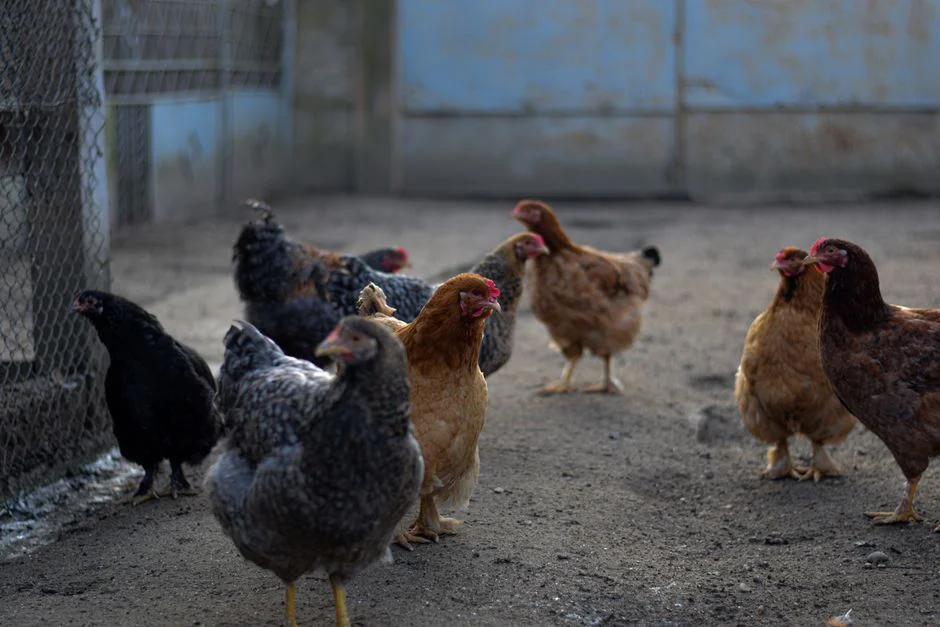
Most buyers focus on one or the other. The coops that fail in winter usually get both wrong. Chickens generate meaningful body heat; a well-insulated coop captures that warmth without letting moisture build up. Moisture is the actual enemy — not cold. A dry coop at fifteen degrees is safer for your flock than a damp one at thirty.
Good winter coops balance tight construction with dedicated ventilation openings positioned high on the wall, above roost level, so cold drafts don’t hit birds directly. Fixed vents near the peak or gable ends are preferable to adjustable windows that owners forget to crack. If the design gives you no control over airflow, that’s a problem in both directions — too closed in cold, too open in wind.
Look for double-wall construction or panels described as weatherproof rather than simply weather-resistant. The distinction matters in sustained cold, and owner reports from northern climates are the clearest signal of which materials actually hold up versus which look good in listing photos.
Roofing and Water Management
A weatherproof roof does more than keep rain out. It sheds ice load, prevents pooling melt at the seams, and keeps the interior drier over weeks of freeze-thaw cycles. Asphalt shingle material — the standard on quality outdoor coops — handles this reliably. Flat or lightly pitched roofs collect snow and ice and eventually leak at the seams; a pitched roof with overhang is worth prioritizing.
Drainage around the base matters as much as the roof. Coops that sit directly on saturated ground wick moisture upward into bedding and flooring. Raised floors or a gravel apron around the perimeter addresses this. In my experience maintaining fourteen birds through January, standing water near the coop compounded every other management problem.
Predator Security
After losing two birds the spring following my first coop failure, predator protection became non-negotiable. For winter specifically, this matters more than people expect — hungry predators are more persistent in cold months, and a weakened bird is easier prey. Evaluate latches, door hardware, and the gauge of any wire mesh.
Hardware cloth (welded wire at half-inch spacing) stops predators that chicken wire does not. Chicken wire keeps chickens in; it does not keep foxes or raccoons out. The thickness of framing around doors and access panels determines whether a determined predator can force entry. Double-door designs slow access attempts and reduce the risk of leaving a gap by accident.
Size, Capacity, and Flockability
Coop capacity ratings are routinely optimistic. The standard recommendation is four square feet of interior space per bird, with ten square feet per bird in the run. For winter, add a margin — birds spend more time inside, and crowding accelerates moisture buildup and increases stress-related pecking.
If you’re considering expanding your flock, size for where you’ll be in two years, not where you are today. Exploring the full range of coops before committing to a size is time well spent — going back to replace a structure you’ve already installed is a real cost in both money and disruption.
Top Picks
Mobile Chicken Coop with Wheels for 4-6 Chickens
Mobile Chicken Coop with Wheels for 4-6 Chickens, Large Outdoor Hen House with Run, Weatherproof Asphalt Roof addresses the most common failure point in budget coops: the roof. The asphalt roofing material handles precipitation the way wood and thin metal don’t — it sheds water cleanly, resists ice formation at the seams, and holds up through freeze-thaw cycles without delaminating. Owner reports from northern climates consistently flag this as the feature that distinguishes it from similarly priced competitors.
The wheeled design solves a real management problem for small flocks. Moving the coop across the yard gives birds access to fresh ground, reduces parasite pressure in one spot, and lets you reposition away from areas that turn to mud in spring thaw. That mobility does require attention to leveling — on uneven ground, the structure needs to be checked and restabilized after each move.
For a flock of four to six, the interior dimensions are appropriate. The honest constraint is the ceiling: if the flock grows beyond six birds, this structure doesn’t scale with it. Buy it for the flock you have if that flock is settled at small size.
Check current price on Amazon.
Polar Aurora Metal Chicken Coop
The Polar Aurora Metal Chicken Coop, Large Outdoor Chicken Pen, Walk-in Chicken Run for 6-20 Chickens, Double Door Chicken is the right answer for anyone running a mid-size or growing flock who needs a structure they can actually walk into. Walk-in access changes daily management — checking birds, collecting eggs, cleaning bedding, and treating individuals is dramatically easier than crouching through a pop door.
Metal construction holds up to predator pressure better than wood framing does over time, and the double-door design is a genuine practical advantage. Opening one door to enter and having a second as a secondary exit point reduces the chance of leaving an unlatched gap. Verified buyers managing larger flocks note that the structure feels solid once fully assembled, though assembly itself is described as a two-person job.
The rust concern is real and worth taking seriously. Metal coops that aren’t treated or coated correctly at the seams will show corrosion within a season or two. Look at the hardware and fasteners specifically — galvanized hardware outlasts bare steel in outdoor conditions. The footprint is significant, so confirm your yard space before ordering.
Check current price on Amazon.
MEWTOGO 6.6x10ft Chicken Coop Covers Accessories for Winter
For keepers who already have an existing structure and need to extend its cold-weather performance, the MEWTOGO 6.6x10ft Chicken Coop Covers Accessories for Winter is a practical seasonal addition. The 6.6x10ft coverage fits a standard mid-size run footprint, and the winter-specific design means it’s engineered for the use case rather than repurposed from general tarping.
Owner reports indicate it integrates with most standard run structures without modification — the attachment points are positioned for typical coop and run geometry. The honest limitation is that it’s a seasonal product. It handles cold-weather protection well and provides limited value outside of those months without purchasing additional covers for other seasons.
The value case here is strongest for keepers who have a sound structure that simply needs wind and precipitation blocking added, rather than those who need a full replacement. Think of it as upgrading what you have before committing to a new build.
Check current price on Amazon.
6x10ft 16Mil Thick Clear Tarp for Chicken Coop
The 6x10ft 16Mil Thick Clear Tarp for Chicken Coop, Patio and Porch Winterizing does one thing well: it provides heavy-duty weather blocking at a lower cost than purpose-built coop covers. The 16mil thickness puts it well into the durable-use category — this is not a lightweight seasonal tarp that tears in the first ice storm.
Clear material is the specific advantage over standard tarps. Birds benefit from natural light even in winter, and an opaque cover that darkens the run affects behavior and, in laying hens, egg production. The clear construction lets light through while blocking wind and precipitation — a genuine functional distinction from general-purpose alternatives.
The insulation limitation is worth naming plainly: thick clear plastic blocks wind and moisture but does not add meaningful thermal insulation. In extreme cold, this is a weather shield, not a heat retention solution. For most small-flock winter situations, wind and precipitation blocking is the primary need, and this product addresses that directly.
Check current price on Amazon.
Quictent Essential Series 18x9ft Metal Chicken Coop Run
Large-flock keepers who prioritize run space over interior coop size should look closely at the Quictent Essential Series 18x9ft Metal Chicken Coop Run w/Climbing Ladder. The 18x9ft footprint is among the larger run configurations in the mid-range category, and the metal construction provides the kind of predator resistance that makes a difference when a fox or raccoon tests the perimeter.
The integrated climbing ladder addresses something most run designs ignore: birds are not naturally ground-bound, and enrichment structures inside the run reduce stress behaviors that escalate in winter when flock movement is restricted. Verified buyers note that birds use the ladder consistently, which supports flock health during the months when outdoor ranging isn’t an option.
Assembly requires time and ideally a second pair of hands. The structure is substantial, and cutting corners on setup — skipped fasteners, unlevel base, unsecured panels — compromises both stability and security. Budget the assembly time honestly before ordering.
Check current price on Amazon.
Buying Guide
Permanent vs. Mobile Structure
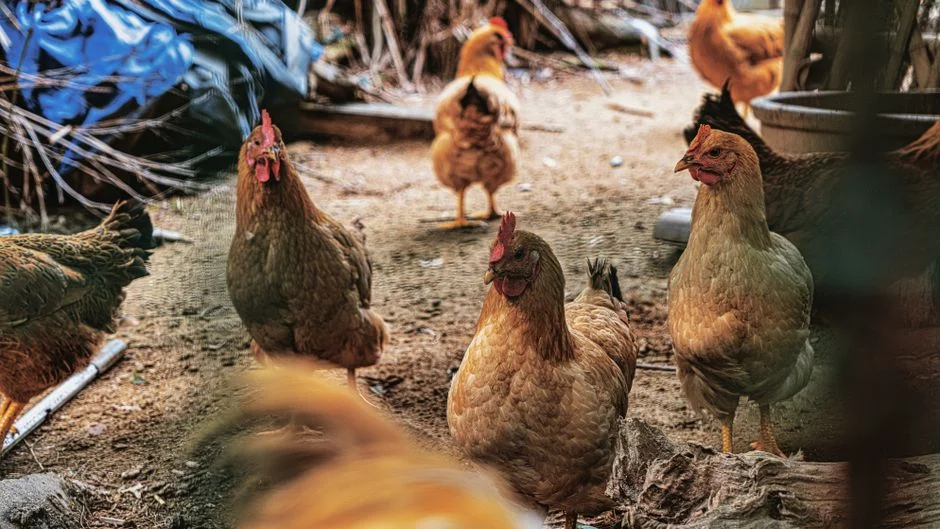
The first decision is whether the coop stays in one place or moves. Permanent structures are more stable, easier to insulate thoroughly, and better suited to large flocks. Mobile coops — tractors and wheeled designs — provide pasture rotation and fresh grazing but require level ground and more regular repositioning.
For winter specifically, mobility is a double-edged feature. Moving the coop when the ground is frozen or snow-covered is harder than moving it in fall. A coop that’s wheeled but left in one spot all winter offers the portability benefit at other times of year without requiring you to manage it in the worst conditions.
Run Sizing for Winter Confinement
Run dimensions that feel adequate in summer become crowded fast when birds spend more time inside. Cold, wind, or snow coverage that discourages ranging means the run is doing more of the work than it was designed for.
The ten-square-feet-per-bird guideline is a floor, not a target. For flocks that will be substantially confined through a long winter, larger runs reduce pecking, improve flock hierarchy stability, and support overall bird health. The Quictent 18x9ft run is sized for this situation. Smaller runs work for mild-winter climates or for keepers who provide daily supervised outdoor time regardless of temperature.
Cover and Weatherproofing Additions
Even a well-built coop benefits from added weatherproofing in extreme conditions. Clear tarps and purpose-built winter covers extend the usable temperature range of existing structures and are significantly less expensive than replacing a coop.
The practical consideration is attachment method. Covers that rely on bungee cords or loose tie-downs fail in high wind — the design that stays put in a storm is the one with fixed attachment points or wrap-around securing. The MEWTOGO cover and the 16Mil clear tarp are both available in this product set. Reviewing how each attaches before purchasing determines whether it will hold under your actual conditions.
Metal vs. Wood Construction
Metal construction offers durability, predator resistance, and lower long-term maintenance than wood framing — provided the metal is properly coated. Bare steel rusts. Powder-coated or galvanized metal holds up for years without the annual sealing that wood requires.
Wood construction offers better natural insulation and is easier to modify — adding extra venting, mounting a heater, or building out a brooder partition is straightforward in wood framing. Metal structures are harder to retrofit. The right choice depends on whether insulation or durability is the priority constraint in your setup.
Browsing the full chicken coop options by construction material before purchasing narrows the field significantly and prevents the most common buyer regret: choosing a material that doesn’t fit the climate or management style.
Coop Security Specific to Winter
Hungry predators are more active and more persistent in cold months. A latch or door mechanism that a raccoon couldn’t defeat in August becomes a liability in January when the same animal is hungry and motivated. Double-check every access point — not just the main door, but egg doors, ventilation covers, and the base perimeter where the coop meets the ground.
For the Chicken Coop category broadly, hardware quality is one of the details most commonly noted in negative owner reviews after a predator breach. Carabiner-style latches or padlocked bolt slides are the standard upgrade on any coop where the factory hardware feels light.
Frequently Asked Questions
What’s the minimum temperature a chicken coop needs to stay above in winter?
Most cold-hardy breeds tolerate temperatures well below freezing without supplemental heat, provided the coop is dry, draft-free, and adequately ventilated. Moisture is the primary danger, not absolute temperature. Supplemental heating becomes worth considering when temperatures fall below zero Fahrenheit for extended periods, or when the flock includes cold-sensitive breeds like Silkies or Leghorns.
Do I need to insulate a chicken coop for winter, or is weatherproofing enough?
Weatherproofing — blocking wind and precipitation — is the baseline. Insulation is the upgrade that makes a meaningful difference in sustained extreme cold. A well-sealed, uninsulated coop will hold more warmth than a leaky one, but adding insulation to walls and ceiling extends that warmth significantly when outside temperatures stay well below freezing for days at a time.
Is the Polar Aurora Metal Chicken Coop better than a wood coop for northern winters?
For predator resistance and long-term durability, the Polar Aurora Metal Chicken Coop is the stronger choice. For natural insulation, wood has an advantage. Most northern-climate keepers using metal structures add a winter cover or tarp to compensate for the reduced insulation, which brings performance closer to a well-built wood alternative.
Can I use a clear tarp on my existing coop run instead of buying a purpose-built cover?
A 16mil clear tarp like the 6x10ft 16Mil Thick Clear Tarp is a practical and lower-cost alternative to purpose-built covers for most standard run configurations. The key variable is attachment — a tarp that isn’t securely fastened will fail in wind. Verify that your run framing has adequate attachment points before relying on it through a storm.
How much run space do I need per chicken in a winter coop setup?
The standard guideline is ten square feet per bird in the run, but that number assumes birds have regular outdoor access. In winter confinement, where birds spend extended periods inside the run and coop, adding a third to that estimate is worth doing. For a flock of six, a run in the 60–80 square foot range provides adequate space; larger is always better when daily ranging isn’t possible.
Where to Buy
Mobile Chicken Coop with Wheels for 4-6 Chickens, Large Outdoor Hen House with Run, Weatherproof Asphalt Roof,See Mobile Chicken Coop with Wheels for 4… on Amazon