Chicken Coop Bedding Guide: Pine Shavings vs Hemp

Affiliate disclosure: Some links on this page are affiliate links. If you buy through them we earn a small commission at no extra cost to you. Recommendations are research-driven; we don't claim personal use of every product reviewed. Product prices and availability are accurate as of the date published and are subject to change. Always check Amazon for current pricing before purchasing. Learn more.
Quick Picks
RentACoop Premium Hemp Bedding for Chickens, Rabbits, Horses - 300L (30lbs)
Hemp material provides natural odor control and dust reduction
Buy on AmazonPremium Hemp Bedding for Chicken Coops 285L - 30lbs, 1-Pack
285L capacity reduces frequent coop bedding replacement cycles
Buy on AmazonAubiose Hemp Bedding 44 lb – Chicken Coop & Small Animal Bedding
44 lb bulk size minimizes restocking frequency for multiple animals
Buy on Amazon| Product | Price Range | Top Strength | Key Weakness | Buy |
|---|---|---|---|---|
| RentACoop Premium Hemp Bedding for Chickens, Rabbits, Horses - 300L (30lbs) best overall | $$ | Hemp material provides natural odor control and dust reduction | Hemp bedding typically costs more than pine or straw alternatives | Buy on Amazon |
| Premium Hemp Bedding for Chicken Coops 285L - 30lbs, 1-Pack also consider | $$ | 285L capacity reduces frequent coop bedding replacement cycles | Large volume may require storage space outside chicken coop | Buy on Amazon |
| Aubiose Hemp Bedding 44 lb – Chicken Coop & Small Animal Bedding also consider | $$ | 44 lb bulk size minimizes restocking frequency for multiple animals | Large 44 lb bag requires adequate storage space | Buy on Amazon |
| AubiChick Hemp Bedding 44 lb – Chicken Coop & Poultry Bedding, 2 Pack also consider | $$ | Two-pack quantity reduces ordering frequency for regular coop maintenance | Hemp bedding may require more frequent replacement than wood shavings | Buy on Amazon |
| Manna Pro Fresh Flakes Pine Shavings Chicken Coop Bedding, 4 Cu Ft also consider | $$ | Pine shavings material offers natural absorbency for moisture control | Pine shavings require more frequent replacement than compressed alternatives | Buy on Amazon |
Choosing the right bedding is one of the less glamorous parts of keeping a flock, and also one of the decisions that affects everything else — moisture levels, ammonia buildup, respiratory health, and how long you can go between full cleanouts. The full range of coop bedding & floor options has expanded considerably in recent years, and hemp has moved from specialty product to a serious contender worth comparing carefully against the standby of pine shavings.
What separates good bedding from poor bedding is almost never the first impression. It’s what happens after the first week — how fast it compacts, how well it handles moisture at the source, and whether the ammonia stays manageable between cleanouts.
What to Look For in Chicken Coop Bedding
Absorbency and Moisture Management
Moisture is the root problem bedding is supposed to solve. Wet bedding promotes bacterial growth, raises ammonia levels, and creates the conditions for bumblefoot and respiratory illness in your flock. Absorbency matters not just in volume — how much liquid the material can hold — but in where it holds it. Good bedding wicks moisture away from the surface quickly so the top layer stays dry underfoot even as the lower layers do the absorbing work.
Hemp has an edge here because of how the fiber is structured: it draws moisture inward and holds it without releasing it back to the surface as readily as shavings or straw do. Long-term keepers who’ve compared materials in wet seasons consistently report that hemp coops stay drier on top with less intervention between cleanouts.
Ammonia Control
Ammonia forms when moisture meets droppings, and the speed of that reaction is heavily influenced by how wet the bedding stays. Bedding that keeps moisture sequestered slows ammonia development. This matters most in enclosed or poorly ventilated spaces, and in winter when doors stay shut longer.
Hemp’s performance on ammonia is one of its most cited advantages in keeper communities. It doesn’t eliminate ammonia — nothing does without frequent removal of soiled material — but verified owner reports consistently describe noticeably lower odor levels compared to pine shavings at the same cleaning interval. For a coop with modest ventilation, that can be a meaningful difference.
Dust Levels
Dust from bedding is a respiratory risk for both birds and keepers. Pine shavings, particularly finer grades, can generate significant dust, and fine wood dust has been associated with respiratory irritation in poultry. Hemp produces substantially less airborne dust than standard pine shavings. This is especially relevant for breeds already prone to respiratory sensitivity, or for coops in climates where windows stay closed for extended periods.
Dust levels are one of the first things keepers mention when they switch to hemp. It’s a practical advantage that shows up immediately, not over weeks.
Compostability and Disposal
Bedding adds up fast. A flock of ten birds goes through material quickly, and what you do with used bedding matters if you’re managing a backyard garden or working with a small property. Hemp and pine shavings are both compostable, but hemp breaks down faster and has a better carbon-to-nitrogen ratio for garden compost. Straw and pine shavings can take considerably longer and require more active management in a compost pile.
If you’re running a deep litter method, hemp integrates well and the microbial breakdown is efficient. Exploring the full range of coop bedding options before committing to a material is worth doing early — the disposal question is easier to overlook until you’re hauling full bags to the compost pile every two weeks.
Particle Size and Flock Comfort
Bedding that’s too fine packs down quickly and loses its loft, which reduces both absorbency and cushioning for birds spending time on the coop floor. Bedding that’s too coarse doesn’t nest well in nest boxes and can be uncomfortable underfoot. Hemp falls in a middle range — it’s coarser than fine shavings, which helps it stay loose longer, and it compacts more slowly under foot traffic. For keepers using the deep litter method, slower compaction means less frequent turning and a longer usable life per bag.
Top Picks
RentACoop Premium Hemp Bedding for Chickens, Rabbits, Horses - 300L (30lbs)
The RentACoop Premium Hemp Bedding is the strongest case for hemp as a primary coop bedding material for mixed-animal households. At 300 liters of volume from a 30-pound bag, the expansion ratio is high — this is compressed hemp that opens up considerably once spread, meaning one bag covers more floor space than the bag size suggests.
Owner reviews consistently flag two things: the reduction in noticeable ammonia odor between cleanouts, and the low dust compared to pine shavings. For keepers who’ve dealt with dusty coops and the respiratory concerns that come with them, the hemp difference is immediate. The material’s natural fiber structure holds moisture inward rather than redistributing it to the surface, so the floor stays dry longer between full changes.
RentACoop’s multi-species positioning — chickens, rabbits, horses — reflects the material’s versatility, but for backyard chicken keepers specifically, the 300L volume is well-suited to medium-sized coops housing six to twelve birds. Those running larger operations or using hemp in nest boxes and the main coop floor will cycle through bags faster than the volume suggests.
Check current price on Amazon.
Premium Hemp Bedding for Chicken Coops 285L - 30lbs, 1-Pack
The Premium Hemp Bedding for Chicken Coops 285L is a direct hemp competitor to the RentACoop option, with a slightly smaller volume — 285 liters versus 300 — at the same 30-pound weight. The practical difference in coverage between the two is modest, and keepers with coops in the six-to-ten bird range will find either one lasts a comparable amount of time.
What makes this worth considering alongside the RentACoop pick is the compostability angle. Hemp used as coop bedding carries a solid carbon-to-nitrogen ratio once it’s been through a flock, and it integrates into a compost pile more cleanly than pine shavings. Keepers who garden and want coop waste to pull double duty in a compost system will find hemp bedding in general — and this product specifically — easier to manage at the back end of the process.
The single-pack format suits keepers who want to evaluate hemp before committing to bulk quantities, or who have limited storage space. For those who’ve already decided on hemp and want better value per pound over time, the two-pack option further down this list is the practical next step.
Check current price on Amazon.
Aubiose Hemp Bedding 44 lb – Chicken Coop & Small Animal Bedding
Aubiose is one of the more established hemp bedding brands in the equine and small animal world, and that longer track record shows in the consistency keepers report across batches. The 44-pound bag runs heavier than the 30-pound options above, and for keepers managing larger coops or maintaining both a coop and rabbit hutches or guinea pig enclosures with the same material, that bulk size reduces the reorder frequency significantly.
The material quality is reliably rated by verified buyers — low dust, good absorbency, slower compaction than fine pine shavings. Keepers using a deep litter method particularly find the Aubiose hold-time useful: it retains structure longer under foot traffic, which means less turning between partial refreshes.
The storage requirement is real. A 44-pound bag needs somewhere dry and protected from pests. For small backyard setups with no dedicated storage, that’s a logistical consideration worth thinking through before ordering.
Check current price on Amazon.
AubiChick Hemp Bedding 44 lb – Chicken Coop & Poultry Bedding, 2 Pack
The AubiChick Hemp Bedding two-pack is the practical choice for keepers who’ve already committed to hemp and are looking to reduce the friction of reordering. Two 44-pound bags covers substantial floor space and reduces how often coop maintenance gets interrupted by a bedding shortage — a real problem in colder months when a mid-winter coop cleanout with no bedding on hand is exactly the kind of situation that makes flock keeping feel harder than it needs to be.
The two-pack format also makes better economic sense per pound than single-bag purchases, which is the strongest argument for it over the single Aubiose bag. The tradeoff is straightforward: you need the storage space, and you need to be confident enough in hemp as your preferred material that committing to a larger quantity makes sense.
For keepers who’ve run through a single bag of hemp and confirmed it works for their coop size, climate, and management style, the AubiChick two-pack is the efficient next purchase. The material performs comparably to Aubiose — both draw from similar hemp bedding manufacturing standards — and the poultry-specific positioning makes it a natural fit for dedicated chicken keepers.
Check current price on Amazon.
Manna Pro Fresh Flakes Pine Shavings Chicken Coop Bedding, 4 Cu Ft
Manna Pro Fresh Flakes is here because pine shavings remain the most widely used chicken coop bedding material, and for some keepers, they’re still the right call. At 4 cubic feet, this is a genuinely useful volume — enough to bed a small-to-medium coop to a comfortable depth in a single purchase.
Manna Pro is an established poultry brand, and the Fresh Flakes product is a consistently rated option in its category. The shavings are a medium flake size, which balances absorbency and loft reasonably well. They won’t outperform hemp on ammonia control or dust levels, and they’ll need to be changed more frequently in humid conditions or high-density coops — but they’re widely available, familiar to most keepers, and compostable without any adjustment to existing routines.
The honest case for pine shavings over hemp is cost and familiarity. For keepers just starting out, or those managing a very small flock where ammonia and dust levels are less challenging, pine shavings are a reasonable, lower-commitment starting point. For keepers who’ve been managing respiratory issues or fighting ammonia between cleanouts, the material evidence favors moving to hemp.
Check current price on Amazon.
Buying Guide
Flock Size and How It Changes Everything
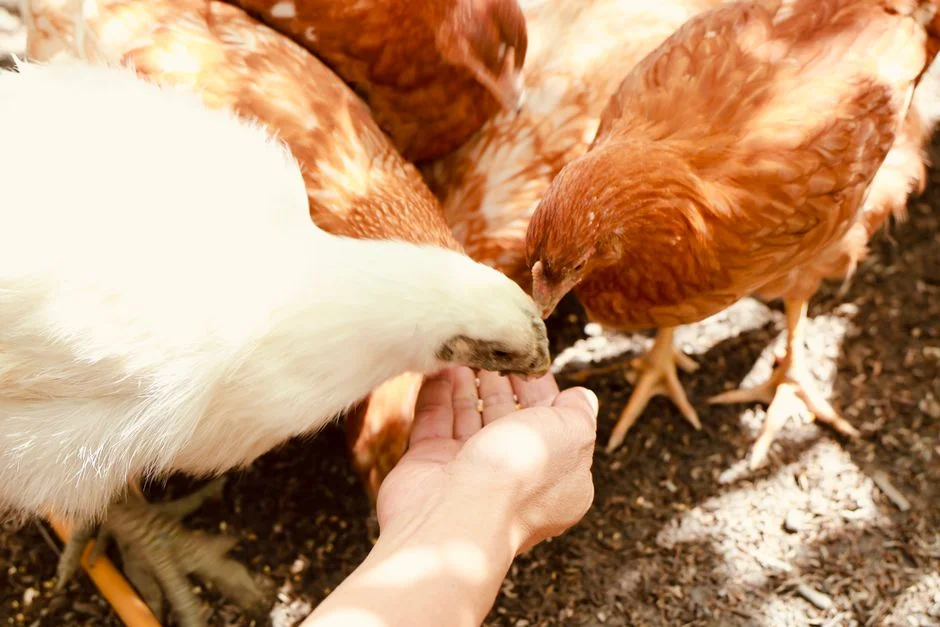
The number of birds in a coop is the single biggest variable in how fast any bedding material gets cycled. A three-bird backyard setup and a fourteen-bird run are not just quantitatively different — they change which material makes sense, what volume you need to keep on hand, and how aggressively ammonia accumulates between cleanouts. Small flocks give you more flexibility: pine shavings work fine, replacement intervals are manageable, and you can get away with lighter-duty options. Larger flocks demand better moisture management and faster ammonia sequestration, which is where hemp’s structural advantages become genuinely practical rather than theoretical.
If your flock is growing, plan ahead on bedding choices. The material that worked for four birds may become a liability for ten.
Coop Ventilation and Climate
Ventilation is the variable most keepers underweight until they’ve dealt with its consequences. A well-ventilated coop in a dry climate can run almost any bedding material and manage acceptably. A coop that stays sealed in cold months — especially in humid regions — creates conditions where ammonia and moisture accumulate fast, and bedding that can’t keep pace with that becomes a health risk.
Hemp’s ammonia control advantage is most significant precisely in low-ventilation, cold-weather conditions. If your coop stays shut from November through March, the material difference between hemp and pine shavings will be noticeable. This is one of the central factors covered across the coop bedding & floor guides, and it’s worth reading through before settling on a material if you’re managing a cold-climate flock.
Deep Litter Method Compatibility
Deep litter is a management approach worth understanding before choosing bedding, because it changes what “good bedding” means. In a standard cleanout routine, you remove and replace on a schedule. In deep litter, you add new material on top of used bedding and rely on microbial activity to break down waste in place, cleaning out fully only once or twice a year. It reduces labor and produces well-composted material, but it requires bedding that holds structure over months rather than weeks.
Hemp performs better than pine shavings in a deep litter system. It compacts more slowly, maintains better loft between additions, and its fiber structure supports the aerobic decomposition process more effectively. Straw is also used in deep litter systems, but its ammonia management is weaker. If deep litter is your intended management style, hemp is the more reliable material.
Storage and Practical Logistics
The bulk hemp bags reviewed here — 30 pounds and 44 pounds — expand significantly once opened and spread. That’s an advantage during use, but it creates a practical question: where does an unopened 44-pound bag live between uses? A dry, pest-proof storage area is essential. Damp storage degrades hemp bedding before it reaches the coop, and an open bag exposed to rodents is a real problem.
For keepers with a dedicated feed room or covered outbuilding, bulk hemp purchases are straightforward. For those working with a small urban backyard and no storage beyond the coop itself, the 30-pound options may be more logistically manageable than the 44-pound bags, even if the cost-per-pound is slightly higher.
Nest Box Bedding vs. Floor Bedding
The coop floor and the nest boxes have different requirements, and some keepers use different materials in each location. Floor bedding needs to handle high moisture and foot traffic from the whole flock. Nest box bedding needs to be comfortable enough to encourage laying and clean enough to keep eggs unsoiled, but it also needs to be replaceable easily when it becomes soiled or broken-egg-stained.
Hemp works in both locations. Pine shavings are also commonly used in nest boxes. Some keepers use straw in nest boxes specifically because hens seem to prefer arranging it, even if it’s a weaker performer on the coop floor. Understanding the distinction between these two use cases is useful before deciding whether to standardize on one material or use two.
Frequently Asked Questions
Is hemp bedding actually worth the extra cost compared to pine shavings?
For keepers managing more than six or eight birds, or dealing with persistent ammonia odor between cleanouts, the case is strong. Hemp’s moisture and ammonia management genuinely outperforms pine shavings over time, which means longer intervals between full cleanouts. For a very small flock in a well-ventilated coop, the performance difference is less pronounced, and pine shavings remain a reasonable option.
How long does a 30-pound bag of hemp bedding last in a typical backyard coop?
This varies considerably by flock size, coop dimensions, and management style. A 30-pound compressed hemp bag typically expands to 285–300 liters of loose material. For a standard six-to-eight bird coop maintained on a partial-refresh schedule, most keepers report getting four to eight weeks of use before a full cleanout is needed. Larger flocks cycle through material considerably faster.
Can I use the same hemp bedding in the nest boxes and on the coop floor?
Yes. Hemp is suitable for both locations. For nest boxes, some keepers prefer the slightly finer texture of products like Manna Pro Fresh Flakes pine shavings because hens seem more willing to settle into them. Hemp works well as a nest box substrate too, and it has the advantage of staying drier around eggs than shavings do in humid conditions.
What’s the difference between the Aubiose and AubiChick hemp bedding products?
Both are hemp-based bedding products at the 44-pound size. Aubiose has a longer track record across multiple animal species including equine use, while AubiChick is positioned specifically for poultry. Performance reports from verified buyers are comparable between the two. The two-pack format of AubiChick makes it a better value for keepers who’ve confirmed hemp works for their setup and want to reduce reorder frequency.
Is hemp bedding safe for chicks?
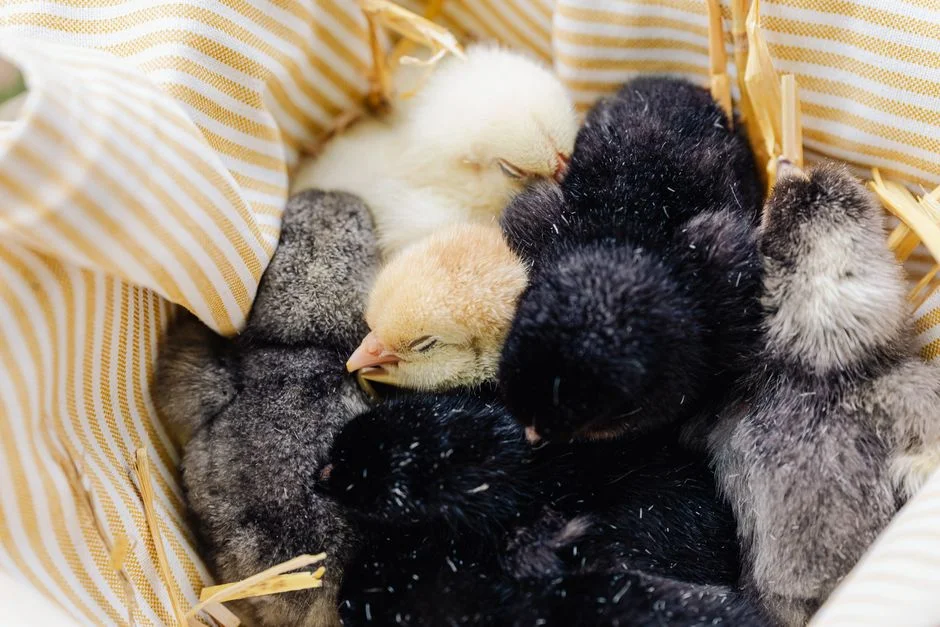
Hemp is generally considered safe for brooder use, and the low-dust characteristic is a genuine advantage for young birds with developing respiratory systems. The particle size is coarser than fine shavings, which reduces the risk of chicks accidentally ingesting bedding. Most keepers who raise chicks in brooders and then transition them to the main coop find it straightforward to use hemp in both environments without switching materials.
Related Guides
If you’re still working out which material fits your setup, the hemp bedding for chickens guide covers the material in more depth — including how it performs across different coop sizes and management styles. The full coop bedding & floor resource is the right starting point if you’re still weighing hemp against straw, sand, or other alternatives before committing. For a deeper look at building up litter over time instead of frequent full changes, see the deep litter method guide.
Where to Buy
RentACoop Premium Hemp Bedding for Chickens, Rabbits, Horses - 300L (30lbs)See RentACoop Premium Hemp Bedding for Ch… on Amazon