Hemp Bedding for Chickens: A Buyer's Guide

Affiliate disclosure: Some links on this page are affiliate links. If you buy through them we earn a small commission at no extra cost to you. Recommendations are research-driven; we don't claim personal use of every product reviewed. Product prices and availability are accurate as of the date published and are subject to change. Always check Amazon for current pricing before purchasing. Learn more.
Quick Picks
RentACoop Premium Hemp Bedding for Chickens, Rabbits, Horses - 300L (30lbs)
Hemp material provides natural odor control and dust reduction
Buy on AmazonPremium Hemp Bedding for Chicken Coops 285L - 30lbs, 1-Pack
285L capacity reduces frequent coop bedding replacement cycles
Buy on AmazonAubiose Hemp Bedding 44 lb – Chicken Coop & Small Animal Bedding
44 lb bulk size minimizes restocking frequency for multiple animals
Buy on Amazon| Product | Price Range | Top Strength | Key Weakness | Buy |
|---|---|---|---|---|
| RentACoop Premium Hemp Bedding for Chickens, Rabbits, Horses - 300L (30lbs) best overall | $$ | Hemp material provides natural odor control and dust reduction | Hemp bedding typically costs more than pine or straw alternatives | Buy on Amazon |
| Premium Hemp Bedding for Chicken Coops 285L - 30lbs, 1-Pack also consider | $$ | 285L capacity reduces frequent coop bedding replacement cycles | Large volume may require storage space outside chicken coop | Buy on Amazon |
| Aubiose Hemp Bedding 44 lb – Chicken Coop & Small Animal Bedding also consider | $$ | 44 lb bulk size minimizes restocking frequency for multiple animals | Large 44 lb bag requires adequate storage space | Buy on Amazon |
| Small Pet Select Hemp HURD Chicken Coop Bedding, Odor Control, 18 lb also consider | $$ | Hemp hurd material offers natural, renewable bedding alternative | Hemp hurd may require more frequent replacement than traditional materials | Buy on Amazon |
Hemp bedding has moved from specialty horse stalls into backyard chicken coops for good reason. It controls odor better than pine shavings, produces far less dust, and breaks down into finished compost faster than straw. If you’re sorting through the options available now, the coop bedding & floor category has grown enough that the differences between products are worth understanding before you buy.
The core questions are simple: how much do you need, how often are you willing to replace it, and how does it fit your composting or disposal routine? This guide covers four hemp bedding options suited to backyard flocks of different sizes. For a broader look at material types and coop floor management, the Chicken Coop Bedding guide is the right starting point.
What to Look For in Hemp Bedding for Chickens
Absorbency and Moisture Management
Hemp hurd — the woody inner core of the hemp stalk — absorbs moisture at a rate that most pine shavings can’t match. This matters in a chicken coop because wet bedding is the main driver of ammonia buildup, respiratory problems, and bumblefoot. A bedding that pulls moisture away from the surface and holds it in the lower layers keeps the litter drier between cleanings and extends the interval between full coop changes.
Look for products specifying hemp hurd or hemp core rather than hemp fiber alone. Fiber-dominant products compress quickly and lose their absorbent structure sooner. Hurd-based bedding maintains loft longer, which supports both moisture wicking and the scratch-and-peck behavior chickens use to turn their own litter.
Dust Levels
Respiratory health is a consistent concern in enclosed coops, and conventional pine shavings can carry significant fine particulate. Hemp hurd produces notably less dust. That difference is especially relevant for coops with limited ventilation or flocks that include breeds prone to respiratory sensitivity.
Dust levels vary even among hemp products. Bags that arrive with visible fines — smaller particles that settle at the bottom — will create more airborne particulate during spreading. Owner reports frequently note that better-processed hemp bedding stays cleaner during application. If respiratory health is a priority for your flock, this is worth checking in reviews before ordering.
Bag Size and Storage
Hemp bedding is sold in volumes ranging from roughly 18 pounds to 44 pounds per bag. The right size depends on your coop square footage and your storage situation. A 30-pound bag covers a medium-sized coop floor with a four-inch layer; a 44-pound bag gives enough to cover multiple pens or allow one bag to last through several top-up cycles before a full cleanout.
Bulk bags are more economical per pound but require dry storage space. Hemp bedding that gets damp in storage loses absorbency before it ever reaches the coop. A covered bin or dry corner of a barn is sufficient — the main requirement is that the bag stays sealed until use. More on matching bag size to flock size appears in the buying guide below.
Composting and End-of-Life
One of hemp bedding’s practical advantages is what happens after it leaves the coop. Hemp hurd breaks down faster than wood shavings and without the nitrogen-locking effect that can slow compost piles. Spent hemp litter — mixed with chicken manure — is already a high-value compost feedstock. It typically reaches finished compost in one to two seasons with regular turning.
If you’re maintaining a garden or vegetable plot, this is a direct offset against the higher upfront cost of hemp over pine. Exploring the full range of coop bedding materials is worth the effort before committing to a system, particularly if composting is part of your flock management routine.
Top Picks
RentACoop Premium Hemp Bedding for Chickens, Rabbits, Horses - 300L (30lbs)
RentACoop Premium Hemp Bedding for Chickens, Rabbits, Horses - 300L (30lbs) is the most versatile option in this group, with 300 liters of volume covering a medium coop floor generously or spreading across multiple smaller animal pens without a second order. Owner reports consistently point to strong odor suppression within the first few days of use — the kind of control that makes a real difference in hot summer months when ammonia builds fast.
The 30-pound weight is manageable for single-person coop maintenance, and the volume-to-weight ratio reflects the low density of hemp hurd. This is not a product you’ll feel in your back; it’s a bag you can move and spread without equipment. Verified buyers note the litter stays drier longer than pine shavings under similar flock densities, which is the performance claim that matters most.
The cost per use is higher than pine or straw on a straight-price comparison, but the extended replacement interval and compost value narrow that gap for most keepers. For a flock of six to twelve birds, one bag covers a meaningful stretch between full cleanouts.
Check current price on Amazon.
Premium Hemp Bedding for Chicken Coops 285L - 30lbs, 1-Pack
The Premium Hemp Bedding for Chicken Coops 285L - 30lbs, 1-Pack covers slightly less volume than the RentACoop option at 285 liters, but the difference in practice is marginal for coops up to roughly 40 square feet. The single-pack format is a practical choice for keepers who are trying hemp bedding for the first time and want to evaluate it through one complete coop cycle before committing to bulk.
Biodegradability is a genuine selling point here. The spent litter goes directly into the compost bin or garden beds without the slow-breakdown problem that plagues pine shavings. Owner reviews highlight the compost performance as a reason they continued repurchasing after the first bag.
Storage is the main consideration for this format. A 30-pound bag takes up meaningful shelf or floor space, and hemp bedding must stay dry to retain its absorbency. The single-pack option makes sense as a starting point; keepers who commit to hemp for the long term will likely move to bulk ordering once they’ve confirmed coverage and replacement cadence for their setup.
Check current price on Amazon.
Aubiose Hemp Bedding 44 lb – Chicken Coop & Small Animal Bedding
Aubiose Hemp Bedding 44 lb – Chicken Coop & Small Animal Bedding is the bulk option in this group, and for keepers running larger flocks or managing more than one species, the 44-pound size changes the restocking math considerably. Aubiose has a long track record in equine bedding in the UK and has carried that reputation into the small-animal market. The product’s processing consistency is noted frequently in owner reviews — buyers report fewer fines and a cleaner application compared to less-established hemp products.
The suitability for multiple animal types is practical for mixed-animal keepers. One product covering chickens, rabbits, and guinea pigs simplifies purchasing and storage considerably. The biodegradable and compostable end-of-life profile is consistent with other hemp beddings in this category.
The 44-pound bag is the most storage-intensive option here. Anyone ordering this without a dedicated dry storage area should plan accordingly. The tradeoff is fewer orders, lower cost per pound, and fewer gaps in bedding supply during busy seasons.
Check current price on Amazon.
Small Pet Select Hemp HURD Chicken Coop Bedding, Odor Control, 18 lb
The Small Pet Select Hemp HURD Chicken Coop Bedding, Odor Control, 18 lb is the right entry point for keepers with smaller coops or limited storage space. At 18 pounds, the bag is the most manageable in this group by a significant margin — easy to carry, easy to store, and sized for a cycle or two in a compact coop without surplus sitting in a corner collecting moisture.
Small Pet Select has a solid reputation in the small-pet category, and their hemp hurd sourcing reflects that — the product specifies hurd rather than fiber, which matters for both absorbency and loft retention. Odor control performance in verified buyer reviews holds up consistently for flocks of four to six birds.
The limitation is straightforward: 18 pounds covers less ground and runs out faster. Keepers with more than six birds or coops larger than 30 square feet will be reordering more frequently than with any other option in this group. For the right setup — a small flock, a bantam coop, or a first-time trial — the size is a feature rather than a drawback.
Check current price on Amazon.
Buying Guide
Matching Bag Size to Flock Size
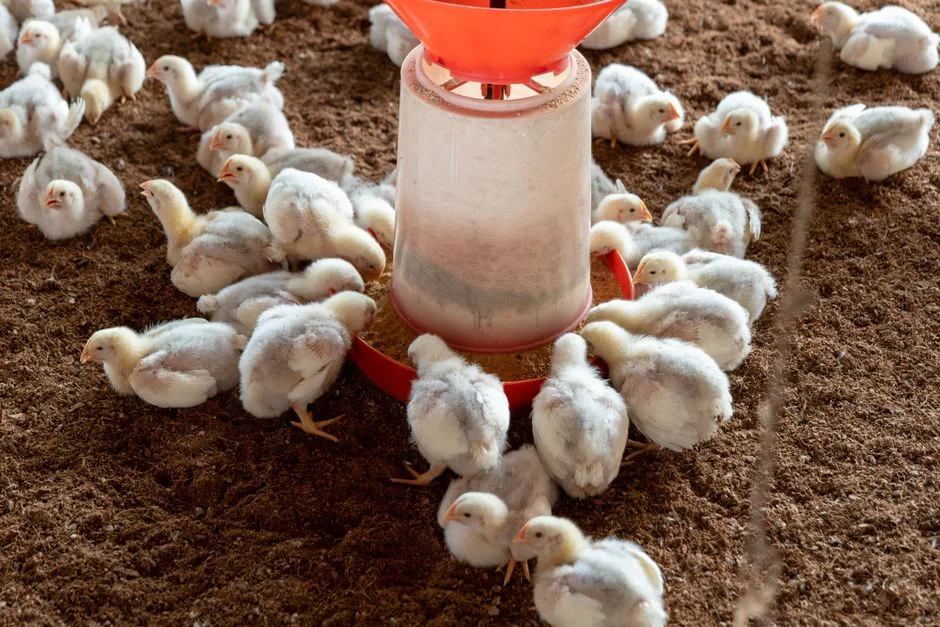
The standard depth recommendation for chicken coop litter is three to four inches. A six-bird coop in a 40-square-foot space requires roughly four to five cubic feet of bedding to hit that depth. At hemp hurd’s typical density, that’s close to a 30-pound bag per full cleanout. Larger flocks in larger coops — ten or more birds across 60-plus square feet — will work through a 30-pound bag faster and may find the 44-pound Aubiose option more economical per cleaning cycle.
Bantam coops and small backyard setups with four birds or fewer are the natural fit for the 18-pound Small Pet Select bag. The smaller volume reduces waste if you’re still calibrating your replacement cadence.
Replacement Cadence and the Deep-Litter Question
Hemp bedding works well in both frequent-change and deep-litter systems. In a frequent-change system — full coop cleanout every two to four weeks — a 30-pound bag handles two to three cleanouts for a small flock. In a managed deep-litter system, where the bedding is turned and topped up rather than fully replaced, the same bag extends considerably further. Hemp hurd’s structure holds up to turning better than shavings, which collapse and mat.
The deep-litter approach works best in coops with good ventilation and flock densities low enough to keep the carbon-to-nitrogen ratio manageable. If you’re new to deep litter, the full bedding guide covers the management steps in more detail. The short version: hemp bedding rewards the patience to let the system establish before your first full cleanout.
Odor Control: What the Spec Means in Practice
Every product in this group markets odor control as a feature, and hemp hurd does deliver it — but the mechanism is worth understanding. Odor in a coop comes primarily from ammonia released when urine-soaked litter breaks down anaerobically. Hemp’s high absorbency slows that process by pulling moisture into the hurd structure, where aerobic breakdown is more likely. The result is less ammonia at litter level where birds breathe.
This effect is dependent on stocking density and ventilation. A properly ventilated coop with appropriate flock density will show the full benefit. An overcrowded coop with poor airflow will defeat any bedding’s odor performance, hemp included. Odor control claims are real, but they’re not independent of coop management.
Composting: Closing the Loop
Spent hemp bedding is a high-value compost input. The carbon-to-nitrogen ratio of hemp hurd mixed with chicken manure sits close to the ideal range for active composting without amendment. Unlike pine shavings — which can temporarily lock nitrogen as they break down — hemp hurd releases nutrients more evenly through the decomposition cycle.
Keepers who garden will find that the premium cost of hemp over pine narrows or disappears once the compost value is factored in. A full coop cleanout from a six-bird flock in hemp bedding produces material that would otherwise require bagged amendments to achieve the same soil benefit. The composting advantage is one of the clearer economic arguments for hemp over conventional alternatives.
Storage Before Use
Hemp bedding must stay dry before use. Moisture absorbed in storage reduces the effective absorbency in the coop. A 44-pound bag left on a damp garage floor for several weeks will underperform a fresh bag of comparable quality. The fix is simple: keep bags sealed, off the floor on a pallet or shelf, and away from wall condensation.
For keepers in wet climates or without covered outbuildings, ordering smaller bags more frequently may be preferable to bulk storage. The 18-pound Small Pet Select size is easiest to keep dry in a limited or damp storage space.
Frequently Asked Questions
Is hemp bedding actually better than pine shavings for chickens?
Hemp hurd outperforms pine shavings on two fronts that matter most for flock health: absorbency and dust. Hemp absorbs significantly more moisture per pound, which reduces ammonia buildup at the litter surface where birds breathe. Dust output is also lower, reducing respiratory risk in enclosed coops. The trade-off is cost — hemp bedding runs higher than pine per bag — but the extended replacement interval and compost value partially offset that difference for most backyard keepers.
How often do I need to replace hemp bedding in a chicken coop?
Replacement cadence depends on flock size, coop square footage, and management style. In a standard spot-clean-plus-full-change routine, most keepers with six to eight birds find a 30-pound bag of hemp bedding covers two to three full cleanouts, spaced three to four weeks apart. In a managed deep-litter system, the same bag extends further. The Small Pet Select Hemp HURD at 18 pounds suits smaller flocks on more frequent replacement cycles.
Can I compost hemp chicken bedding after use?
Yes, and it composts faster than pine or straw. Hemp hurd mixed with chicken manure sits close to an ideal carbon-to-nitrogen ratio without requiring amendment. It breaks down in one to two seasons with regular turning and produces finished compost that benefits garden beds directly. This is a meaningful practical advantage over wood-based bedding, which can lock nitrogen temporarily during decomposition and requires longer composting times.
What is the difference between hemp hurd and hemp fiber bedding?
Hemp hurd is the woody inner core of the stalk — dense, structural, and highly absorbent. Hemp fiber is the outer bast of the stalk — softer, more textile-like, and less absorbent by structure. For coop bedding, hurd is the better choice. It maintains loft under flock traffic, wicks moisture into its core, and holds together through turning in a deep-litter system.
Which hemp bedding option is best for a large flock or multiple animal types?
The Aubiose Hemp Bedding 44 lb is the strongest option for larger operations. The 44-pound bulk size reduces reorder frequency, and the product is explicitly rated for chickens and small animals, making it practical for mixed-species setups. Aubiose also carries a longer processing track record than newer entrants in this category, and owner reports consistently note consistent quality across bags — less batch-to-batch variation in fines and particle size.
Where to Buy
RentACoop Premium Hemp Bedding for Chickens, Rabbits, Horses - 300L (30lbs)See RentACoop Premium Hemp Bedding for Ch… on Amazon