Chicken Treats Buyer's Guide: What to Know Before You Buy
Affiliate disclosure: Some links on this page are affiliate links. If you buy through them we earn a small commission at no extra cost to you. Recommendations are research-driven; we don't claim personal use of every product reviewed. Product prices and availability are accurate as of the date published and are subject to change. Always check Amazon for current pricing before purchasing. Learn more.
Quick Picks
JustFoodForDogs Single Ingredient Healthy Dog Treats - Chicken Breast, 18Oz
Single ingredient chicken breast simplifies allergen management for sensitive dogs
Buy on AmazonHatortempt 5lb Dried Mealworms for Chickens & Wild Birds, Chicken Feed
5lb bulk size offers economical protein source for poultry and wild birds
Buy on AmazonLove My Girls 5lb Chicken Snacks - Gourmet Fruit & Mealworms Bird Treats
Gourmet fruit and mealworms combination appeals to varied bird dietary preferences
Buy on Amazon| Product | Price Range | Top Strength | Key Weakness | Buy |
|---|---|---|---|---|
| JustFoodForDogs Single Ingredient Healthy Dog Treats - Chicken Breast, 18Oz best overall | $$ | Single ingredient chicken breast simplifies allergen management for sensitive dogs | Limited ingredient variety may not suit dogs requiring diverse nutritional profiles | Buy on Amazon |
| Hatortempt 5lb Dried Mealworms for Chickens & Wild Birds, Chicken Feed also consider | $$ | 5lb bulk size offers economical protein source for poultry and wild birds | Dried insect proteins may appeal to fewer bird species than mixed feeds | Buy on Amazon |
| Love My Girls 5lb Chicken Snacks - Gourmet Fruit & Mealworms Bird Treats also consider | $$ | Gourmet fruit and mealworms combination appeals to varied bird dietary preferences | Mixed ingredients may complicate identification of individual bird allergens | Buy on Amazon |
| Love My Girls 5lb Chicken Snacks - Veggies & Mealworms - Corn-Free Treats also consider | $$ | Corn-free formula addresses common poultry treat allergens | Mixed ingredient treats may challenge birds with specific sensitivities | Buy on Amazon |
Chickens are enthusiastic about a lot of things, but few produce the kind of stampede that a handful of treats does. Choosing the right treats matters more than it might seem — the wrong ingredients can throw off a balanced diet, and bulk purchases of low-quality products are a common way to waste money while actually doing harm. The feed and health resources at The Cluck Post are a good place to anchor your thinking before you buy.
Good treats share a few qualities: recognizable ingredients, appropriate protein levels, and portion sizes that complement rather than crowd out a complete layer feed. What follows is a look at four options that hold up to scrutiny.
What to Look For in Chicken Treats
Ingredient Quality and Transparency
The treat market for backyard chickens is loosely regulated, which means ingredient lists range from genuinely useful to mostly filler. A short, readable ingredient list is a better signal than any marketing language on the front of the bag. Single-ingredient products are the easiest to evaluate — you know exactly what you’re feeding, and you know what to eliminate if a bird reacts poorly.
Mixed-ingredient products require closer reading. Corn is a common filler that provides calories without much nutritional density, and it shows up in a surprising number of poultry treat blends. If a bird has a known sensitivity or you’re trying to keep the diet clean during molt or illness, ingredient transparency becomes a practical concern, not just a preference.
Protein Content and Source
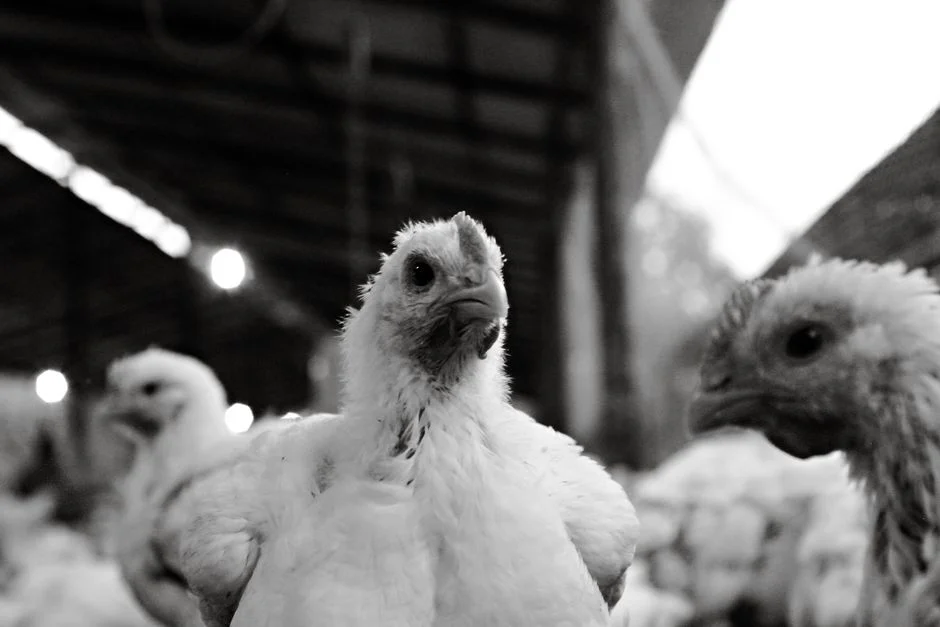
Protein is the primary nutritional reason to supplement a layer flock’s diet with treats. Mealworms and other insect proteins are genuinely useful sources — they’re high in protein, chickens find them irresistible, and the whole-food format means you’re not relying on processed concentrates. Dried mealworms in particular have a long track record with backyard keepers as a reliable, low-fuss protein supplement.
Fruit and vegetable additions can round out a treat blend nutritionally, but they shouldn’t be the main event for chickens that are already getting a complete feed. The best treat products use protein as the foundation and add variety through secondary ingredients rather than leading with sugars or starchy fillers. Owner reports consistently back this up — birds given protein-forward treats show better engagement and less selective eating than those given fruit-heavy mixes.
Bulk Sizing and Storage
Most backyard flocks benefit from buying treats in bulk, but bulk purchases require honest storage planning. A 5lb bag of dried mealworms or mixed treats can go stale or attract pests if not stored in a sealed container in a dry location. Organic protein products without preservatives are particularly vulnerable to humidity and pantry moths.
Before committing to a larger bag, consider your turnover rate. A flock of four to six hens will go through treats more slowly than a flock of twelve or more, and a product that’s cost-effective at scale becomes wasteful if you can’t use it before quality degrades. Many long-term keepers recommend portioning bulk bags into smaller airtight containers immediately on opening.
Treat Frequency and Flock Diet Balance
Treats should account for no more than ten percent of a flock’s daily diet — a figure that most poultry nutritionists and experienced keepers agree on. Going beyond that threshold starts to dilute the nutritional completeness of a quality layer feed, which matters most during peak laying season and through molt. The full range of feeding options at /feed-health/ covers how treats fit into a broader feeding strategy.
A useful practical rule: treats are a supplement, not a staple. Using them strategically — to reinforce recall training, to reward birds during health checks, or to add enrichment during confinement — keeps the diet balanced and makes treats more effective as a behavioral tool.
Top Picks
JustFoodForDogs Single Ingredient Healthy Dog Treats - Chicken Breast, 18Oz
JustFoodForDogs Single Ingredient Healthy Dog Treats are worth a careful look, though with an important caveat: these are formulated for dogs, not chickens. The single-ingredient chicken breast format is genuinely useful for flock keepers managing birds with suspected sensitivities — because the ingredient list is exactly one item long, allergen isolation is straightforward in a way that blended products can’t match.
The JustFoodForDogs brand carries a strong reputation in the pet nutrition space, built largely on its safety standards and sourcing transparency. For a keeper who wants a clean, high-protein supplement with no fillers, that track record is meaningful. The 18oz size offers reasonable portioning flexibility for small flocks.
The practical limitation here is the per-ounce cost relative to purpose-built poultry treats. Verified buyers using this product with poultry report good palatability, but the premium positioning reflects dog-market pricing. For keepers with a specific allergen-management reason to use a single-ingredient chicken product, it earns consideration. For most flocks, a purpose-built mealworm option will deliver better protein value at a lower cost.
Check current price on Amazon.
Hatortempt 5lb Dried Mealworms for Chickens & Wild Birds, Chicken Feed
The Hatortempt 5lb Dried Mealworms are the straightforward choice for keepers who want a no-fuss protein supplement with a well-documented track record. Dried mealworms have been a backyard poultry staple for long enough that owner consensus is unusually clear: chickens find them compelling, they store reasonably well in sealed containers, and the whole-food format means nothing unexpected is in the bag.
The 5lb bulk size makes this economical for flocks of six or more. The dual-purpose design — marketed for wild birds as well as chickens — reflects the broad appeal of dried mealworms as a universal avian protein source. Field reports from backyard keepers consistently describe this as a reliable product for molt support, recall training, and general flock enrichment.
The one honest limitation is that dried mealworms alone don’t provide the dietary variety that some keepers want from a treat. If the goal is enrichment through varied textures and flavors, a blended product may be more engaging for the flock. But as a standalone protein supplement, the case for dried mealworms — and this product in particular — is strong.
Check current price on Amazon.
Love My Girls 5lb Chicken Snacks - Gourmet Fruit & Mealworms Bird Treats
Love My Girls 5lb Chicken Snacks - Gourmet Fruit & Mealworms addresses a real gap in the treat market: keepers who want the protein benefit of mealworms but also want to offer some dietary variety through fruit additions. The combination tends to appeal to mixed flocks, and owner reports suggest birds work through the bag reliably rather than selectively eating around certain ingredients.
The 5lb bulk size is practical for regular feeders, and the Love My Girls brand positions itself specifically for backyard poultry rather than the broader wild bird market. That focus shows in the ingredient choices — the fruit components here are secondary to the mealworm protein base, which keeps the nutritional profile more appropriate for chickens than a fruit-forward blend would be.
Storage discipline matters more with a mixed product like this than with a single-ingredient option. The fruit components introduce more surface area for moisture absorption, so a dry, sealed container is not optional. Buyers who store this product properly report it holds quality well through a 5lb bag.
Check current price on Amazon.
Love My Girls 5lb Chicken Snacks - Veggies & Mealworms - Corn-Free Treats
The Love My Girls 5lb Chicken Snacks - Veggies & Mealworms variant is the pick for keepers who want a blended treat without corn. Corn-free formulas are worth seeking out if you’re managing a bird with known sensitivities, keeping a flock on a corn-free layer feed, or simply trying to reduce the caloric density of your treat rotation. The vegetable and mealworm combination delivers variety without the starch load that corn-heavy blends carry.
Owner feedback for this product mirrors the fruit-and-mealworm variant in most respects: good palatability, minimal selective eating, and a bulk size that makes sense for regular feeders. The corn-free differentiation is the deciding factor between the two Love My Girls options — choose this one if corn-free matters for your flock, the fruit-and-mealworm version if it doesn’t.
Both Love My Girls products represent solid mid-range value for keepers who want more than plain dried mealworms but aren’t managing specific allergen concerns that would require a single-ingredient product. The 5lb size rewards proper storage — portion into smaller containers on opening if you won’t cycle through the bag within a few weeks.
Check current price on Amazon.
Buying Guide
Matching Treats to Your Flock’s Specific Needs
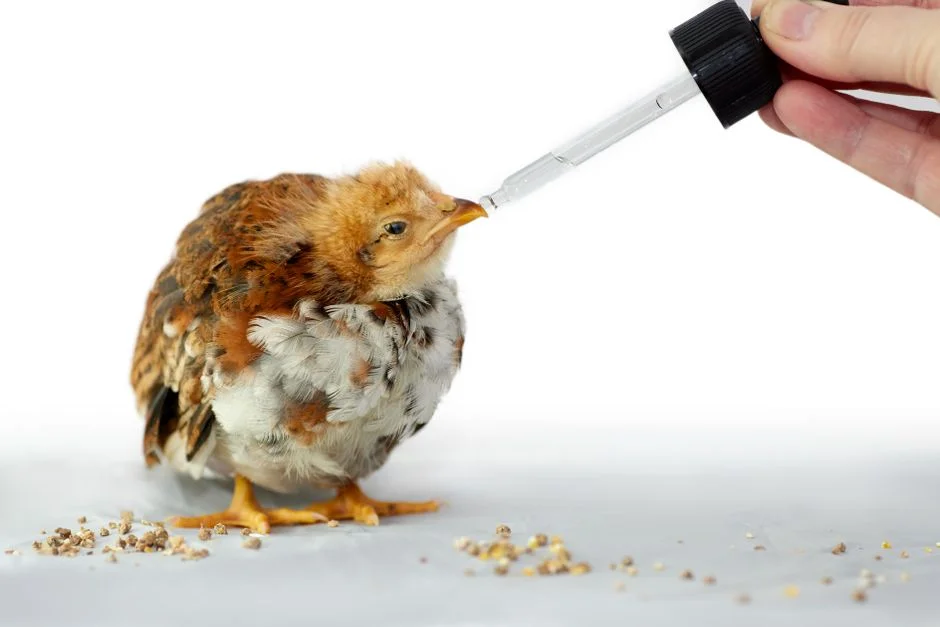
The right treat depends heavily on what your flock is doing right now. Birds in active molt have elevated protein requirements — this is when a high-protein supplement like dried mealworms delivers the most nutritional return. Laying hens in peak season benefit from treats that don’t interfere with calcium intake, which means avoiding high-phosphorus products in large quantities. Younger pullets need different ratios than older hens, and a treat that’s appropriate for a mature flock may not be the right call during the grow-out phase.
Before purchasing, identify what gap the treat is filling. Enrichment and behavioral training are legitimate reasons that don’t require much nutritional specificity — almost any quality treat will work. Molt support, allergen management, and protein supplementation are needs that benefit from a more deliberate product choice.
Single-Ingredient vs. Blended Treats
Single-ingredient products are the easiest to troubleshoot. If a bird reacts poorly to something, you know exactly what to eliminate. They’re also easier to portion accurately, since nutritional composition is predictable. The tradeoff is that single-ingredient treats offer less behavioral variety — chickens are curious foragers, and mixed-texture treats tend to provide more enrichment value than a uniform product.
Blended treats introduce more variables but also more interest. A vegetable-and-mealworm blend or a fruit-and-mealworm mix gives birds something to sort through, which matters for flocks kept in confined runs with limited foraging opportunity. The key is reading the ingredient list critically: the protein source should come first, and fillers like corn or grain byproducts should be absent or minimal.
Bulk Buying: When It Makes Sense
A 5lb bag is a reasonable purchase for a flock of eight or more hens that receives daily treat supplementation. For smaller flocks, the same bag may sit open long enough that quality degrades before you finish it. Dried mealworms have better shelf stability than mixed products, making them the safer bulk purchase for small flocks. Products with fruit or vegetable components should be transferred to airtight containers immediately and used within a reasonable window after opening.
Cost-per-ounce math favors bulk, but only if the product gets used. Buying a large bag of a mid-range treat and losing half of it to pests or spoilage costs more than buying a smaller bag at a higher per-ounce price. Honest inventory of your flock size and treat frequency is worth doing before committing to bulk sizing.
Reading Labels Beyond the Marketing
Product names in the backyard poultry treat market lean heavily on terms like “gourmet,” “natural,” and “healthy” without those terms carrying any regulated meaning. The ingredient list is the only document that matters. Ingredients are listed by weight in descending order — a product that leads with mealworms or a named protein source is different from one that leads with grain or grain byproducts. The feeding and health resources at /feed-health/ can help you evaluate how specific ingredients fit into a complete flock diet.
Pay attention to what’s absent as well. No preservatives is a meaningful claim for dried insect products — it tells you the protein hasn’t been chemically stabilized, which is generally preferable, but it also means storage conditions matter more.
Treat Rotation as a Management Tool
Rotating between two or three different treat types is a practical approach that keeps enrichment value high without overloading any single ingredient. Using dried mealworms for high-value recall training, a blended treat for daily enrichment, and a single-ingredient option during molt or illness gives you flexibility while keeping the diet varied. Most experienced keepers settle into a rotation of two products rather than buying new options frequently — the consistency reduces stress on the flock and makes it easier to notice changes in appetite or preference.
Frequently Asked Questions
Are dried mealworms safe to feed chickens daily?
Dried mealworms are safe in moderation, but daily feeding at high volumes can create a phosphorus imbalance that interferes with calcium absorption — a real concern for laying hens. Most poultry nutritionists recommend treating mealworms as a supplement rather than a daily staple, keeping portions small relative to the flock’s complete layer feed. A small handful per bird several times a week is a reasonable guideline backed by owner consensus.
What is the difference between the two Love My Girls treat variants?
The primary difference is the secondary ingredient mix and the presence or absence of corn. The Love My Girls Veggies & Mealworms variant is corn-free, making it the better choice for keepers managing corn sensitivities or feeding a corn-free layer ration. The Love My Girls Fruit & Mealworms variant includes fruit components, which some birds find more engaging but introduces more sugar. Both share the same mealworm protein base and 5lb bulk size.
Can I use dog treats like the JustFoodForDogs chicken breast product for my flock?
Single-ingredient chicken products formulated for dogs can be used with chickens, and some keepers do exactly that for allergen-management purposes. The JustFoodForDogs chicken breast treats offer genuine ingredient transparency, which is their main advantage. The practical downside is cost — dog-market pricing typically runs higher per ounce than purpose-built poultry treats. For most flocks, a purpose-formulated product will deliver better value unless allergen isolation is a specific priority.
How should I store a 5lb bag of chicken treats after opening?
Transfer the contents to an airtight container immediately after opening — a sealed plastic bin or a glass jar with a tight lid both work. Store in a cool, dry location away from direct light. Mixed products with fruit or vegetable components are more susceptible to moisture and pests than pure dried mealworms. A pantry or feed room shelf is suitable; a humid garage or outdoor storage area is not.
How much of a chicken’s daily diet should treats represent?
The widely cited guideline among poultry keepers and nutritionists is that treats should not exceed ten percent of total daily feed intake. Exceeding that threshold regularly risks diluting the nutritional completeness of a quality layer feed, which shows up most clearly during molt, in egg quality, or in overall flock condition over time. Treats work best as a targeted supplement — used for training, enrichment, or specific nutritional support — rather than as a routine diet component fed to satiety.
Where to Buy
JustFoodForDogs Single Ingredient Healthy Dog Treats - Chicken Breast, 18OzSee JustFoodForDogs Single Ingredient Hea… on Amazon