Omlet Chicken Coop Review: Durable Design for Home Flocks

Affiliate disclosure: Some links on this page are affiliate links. If you buy through them we earn a small commission at no extra cost to you. Recommendations are research-driven; we don't claim personal use of every product reviewed. Product prices and availability are accurate as of the date published and are subject to change. Always check Amazon for current pricing before purchasing. Learn more.
Large capacity accommodates multiple chickens for small-scale farming
See Omlet Eglu Cube Large Chicken Coop on AmazonFlat-pack coops are easy to buy and easy to regret. The one I started with didn’t survive its first Vermont winter — thin walls, no real insulation, and a design that assumed the weather would cooperate. Omlet takes a different approach: injection-molded plastic construction, integrated runs, and a design philosophy that treats predator protection as standard rather than optional. For anyone researching chicken coop options seriously, Omlet tends to come up early, and for good reason.
This review covers two Omlet models — the Eglu Cube Large for keepers who want a fixed, high-capacity setup, and the Go Up for those who prioritize mobility and fresh grazing. What spec sheets and long-term owner reports show about each is worth unpacking carefully before you buy.
Overview & Key Specs
Omlet has built its reputation on twin-walled plastic housing, easy-clean surfaces, and runs engineered with predator resistance in mind. Both coops reviewed here share that DNA. Where they differ is in scale, portability, and the type of keeper each suits best.
| Spec | Omlet Eglu Cube Large | Omlet Go Up Portable |
|---|---|---|
| Capacity | Up to 10 chickens | Up to 4 chickens |
| Construction | Twin-wall insulated plastic | Twin-wall plastic |
| Run attachment | Modular, extendable | Included, portable |
| Portability | Fixed (optional wheels) | Designed for relocation |
| Predator resistance | Anti-dig skirt, secure latch | Secure latch, elevated design |
| Easy-clean design | Yes — pull-out tray | Yes — pull-out tray |
| Weather protection | High — insulated walls | Moderate — less thermal mass |
| Price tier | Premium | Mid-range |
What Stands Out (from Spec Analysis and Owner Consensus)
Omlet’s construction approach is the clearest differentiator from the flat-pack category. The twin-wall injection-molded plastic isn’t just a marketing term — it creates an air gap that provides meaningful insulation, and owner threads in UK and US poultry forums consistently report that birds come through cold snaps in better condition than they did in timber alternatives. For keepers in climates where winter is real, that gap matters. Timber breathes differently, swells, warps, and eventually admits drafts through joints that were never designed to be permanent. Omlet’s shell doesn’t do any of those things.
The integrated run design is the second genuine strength. Omlet publishes the gauge of their run wire and the latching mechanism specs. Owner consensus on r/BackyardChickens and dedicated Omlet community forums confirms that the latches are fox-resistant in practice, not just on paper. After losing two birds to a fox the spring after my first coop failed, predator protection stopped being theoretical. The spec sheet and owner reports both point to Omlet runs as genuinely more secure than most alternatives in their class.
Easy-clean design sounds like a minor convenience point until you’re doing it twice a week in January. The pull-out tray on both the Cube and the Go Up draws consistent praise from long-term owners specifically because it doesn’t require disassembly. Owner reports flag that the smooth plastic interior also resists red mite harborage significantly better than timber — a real operational advantage over years of ownership.
The Eglu Cube’s modular run system stands out separately. Extensions are available and owner reports confirm they attach cleanly. A keeper starting with six birds and planning to expand can scale the run without replacing the coop.
Where It Falls Short
Space requirements for the Eglu Cube are the most consistent owner complaint. The coop body itself is compact, but the full footprint once a run is attached is substantial. Owner posts frequently mention underestimating the total run length once they add an extension. For a small urban garden or a confined backyard, the Cube with a full run is a significant land commitment — the spec dimensions deserve a careful look before purchase, not after.
Portability on the Go Up requires a real physical process. Owner reports are split: keepers who move it weekly for rotation praise the design; those who expected casual repositioning report it takes more effort than the marketing implies. The coop is lighter than timber alternatives, but it isn’t light. A solo keeper moving it across uneven ground will find it more of a project than a quick task.
Premium pricing on Omlet products is a documented and predictable objection. Long-term owner posts consistently argue the price-to-durability ratio holds up — the same coop runs for eight to ten years without the repairs timber requires. For keepers comparing Omlet to a basic flat-pack on upfront cost alone, the arithmetic looks unfavorable. Over five years, owner consensus on maintenance and replacement costs shifts that picture. For a fuller breakdown of what to weigh in a coop purchase, the chicken coops buying guide is worth reading alongside this review.
Buying Guide
Construction Quality and Climate Durability
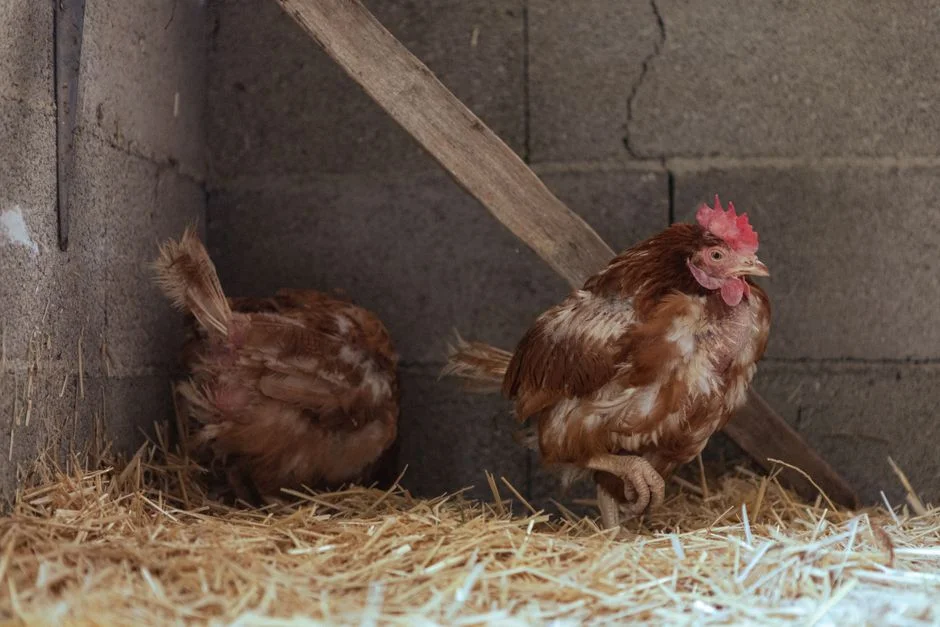
The single most important coop decision for keepers in cold or wet climates is wall construction. Timber coops require annual sealing, are prone to swelling, and lose thermal integrity at joints over time. Twin-wall plastic coops — like both Omlet options reviewed here — don’t warp, don’t absorb moisture, and don’t require annual treatment. Owner reports from northern US and Canadian keepers specifically cite Omlet’s twin-wall design as holding up through consecutive hard winters without structural degradation.
What spec sheets don’t always show is how insulation performs under real conditions. Manufacturer specs for the Eglu Cube note the twin-wall air gap provides meaningful temperature buffering. Long-term owners in Minnesota and Vermont confirm the birds remain comfortable at temperatures where an uninsulated coop would require supplemental heat.
Predator Protection — What the Spec Actually Covers
Predator resistance specs vary enormously across coops and are often vague. Omlet publishes the wire gauge on their runs, specifies the latch mechanism, and designs the skirt to discourage digging. Those are measurable, documentable features — not marketing language. Owner forums confirm the latches hold against foxes and raccoons in real-world conditions, which is more than most flat-pack alternatives can claim.
What the spec doesn’t cover is human error. An unlatched door or a gap in a poorly fitted extension defeats the design. Owner threads on r/BackyardChickens are consistent: the coop performs as specified when set up correctly. Installation errors account for most of the predator-entry reports. Read the setup instructions fully before the first night your birds use it.
Capacity and Space Planning
Omlet’s stated capacity figures are generally credible, but they assume adequate run space per bird. The Eglu Cube rates up to 10 birds with an appropriately extended run. Crowding without sufficient run extension produces stress behaviors documented in owner reports — feather pecking, reduced laying, increased disease pressure. The coop body alone doesn’t determine flock welfare; the run does.
For a flock of six or fewer, the Go Up’s capacity is sufficient. For eight to fourteen birds, the Cube with at least one run extension is the right starting point. Plan the space before you order, not after. The total footprint of coop plus run is the number that matters for your garden layout. The chicken coop hub has capacity calculators and layout guidance worth checking during the planning stage.
Portability — Rotation vs. Fixed Setup
Portable coops enable pasture rotation, which reduces parasite load and keeps grass recovering between grazing periods. The Go Up is designed for this use case. Owner reports from keepers with larger gardens consistently describe measurable grass recovery and lower worm burden when they rotate on a weekly schedule.
Fixed coops require permanent run enrichment — regular substrate changes, added vegetation, and more frequent cleaning to manage the same parasite pressure. Neither approach is wrong. The right choice depends on your garden size, your flock size, and how much physical work you’re prepared to put into weekly moves. Honest self-assessment of that last point matters more than most buyers expect before purchase.
Cleaning and Maintenance Over Time
Pull-out trays, smooth plastic interiors, and accessible latches are not glamorous specs. Over five years of ownership, they’re the features that determine whether the coop is a burden. Long-term owner threads on Omlet community forums and general poultry forums are consistent: the Omlet cleaning process takes significantly less time than timber equivalents. Red mite — a recurring problem in timber coops because mites harbor in wood grain and joints — is reported at much lower rates in smooth-plastic Omlet coops by owners who’ve kept both types.
For keepers who’ve already spent time scrubbing timber coop joints with a mite treatment brush, the smooth-interior specification reads differently than it does for first-time buyers.
Top Picks
Omlet Eglu Cube Large Chicken Coop
The Omlet Eglu Cube Large Chicken Coop is the fixed-setup choice for keepers running six or more birds who want a coop that will last through real winters without annual repairs. The twin-wall insulated body, modular run system, and documented predator-resistant latching put it in a different category from most coops in the mid-to-premium range.
Owner consensus on the Cube is consistently positive over multi-year ownership windows. The criticisms that recur — footprint size, upfront investment — are real but predictable. Keepers who plan the space and budget accordingly report very few regrets. The spec sheet is honest about capacity, the run extensions work as documented, and the cleaning process holds up as easy over years, not just during the first month.
Where the Cube falls short is in situations where budget is the primary filter or where available garden space is genuinely limited. For those scenarios, there are better-value alternatives. For a keeper who has the space and wants a coop that doesn’t require replacing in three years, owner evidence points clearly in the Cube’s favor.
Check current price on Amazon.
Omlet Portable Chicken Coop Go Up
The Omlet Portable Chicken Coop Go Up suits keepers with smaller flocks — up to four birds — who have the garden space to rotate and want to reduce parasite pressure without a fixed run. The elevated design keeps the sleeping area off the ground, which owner reports cite as a practical benefit for ventilation and predator deterrence.
Portability is the Go Up’s defining feature and its main limitation. The coop is genuinely movable — lighter than timber, designed for relocation — but owner reports are clear that moving it requires effort. Keepers who planned for weekly rotation and committed to it report strong results. Those who expected casual daily repositioning found the reality more demanding.
For a keeper starting with two to four birds, building a feel for chicken keeping before committing to a larger fixed setup, the Go Up is a credible starting point with Omlet’s build quality behind it. It’s not a budget coop — but it’s not a budget situation, either. Owner evidence supports it holding up across multiple seasons without structural issues.
Check current price on Amazon.
Who It’s For
The Eglu Cube is the right choice for keepers running six or more birds in a fixed location where predator pressure is real and winters are cold. Owner consensus and spec data both support it as a durable, low-maintenance solution that justifies the premium investment over a multi-year horizon. It’s not for keepers with very limited garden space or those who need to keep initial costs at the floor.
The Go Up suits keepers with smaller flocks who want the flexibility of rotation and are genuinely prepared to move the coop on a regular schedule. It’s a good starting coop for new keepers who want Omlet’s build quality without committing to the Cube’s footprint and price point. It’s not suitable as a permanent fixed installation for a growing flock.
Neither product suits a buyer whose primary criterion is lowest upfront cost. There are flat-pack options that cost less. What the spec sheet and owner community both confirm is that those options tend to cost more in the medium term — in repairs, replacements, and the harder-to-quantify cost of losing birds to a poorly latched door.
Alternatives to Consider
For keepers who want Omlet’s build quality in a smaller format for two to four birds, the standard Omlet Eglu Classic is worth comparing directly against the Go Up. It’s a fixed rather than portable design, which suits keepers who don’t need rotation.
For those whose budget doesn’t stretch to Omlet’s premium tier, the Chicken Coop guide covers mid-range and budget alternatives with honest assessments of where compromises appear over time. Timber coops from established UK manufacturers like Forsham Cottage Arks occupy a different price-and-aesthetic category for keepers who prefer natural materials and have the maintenance bandwidth to keep up with them.
The clearest alternative scenario: if your flock is two birds and you want the lowest-footprint option, neither Omlet model reviewed here is optimized for that. Go Up works, but you’re paying for capacity you don’t need.
Frequently Asked Questions
How many chickens can the Omlet Eglu Cube Large actually house comfortably?
Omlet rates the Eglu Cube Large for up to 10 chickens, but owner consensus suggests six to eight as the comfortable real-world maximum with a standard run. Extending the run with one or two add-on sections brings the 10-bird figure closer to realistic. Overcrowding without adequate run extension produces stress behaviors that long-term owners document consistently — plan the run footprint before you order.
Is the Omlet Go Up genuinely portable for a single person?
Owner reports are split on this. The Go Up is lighter than timber alternatives and designed for relocation, but solo moves across uneven ground take real effort. Keepers who rotate on flat, even terrain weekly describe it as manageable. Those expecting quick daily moves found the process more demanding than anticipated.
How does Omlet’s predator protection compare to standard chicken wire coops?
Omlet uses a heavier gauge wire than most standard chicken wire coops and publishes the specification. The latch mechanism is designed to resist fox and raccoon manipulation, and owner forum reports from the US and UK confirm it holds under real predator pressure. Standard chicken wire is typically lighter gauge and more easily breached. The documented difference is meaningful, not marginal.
When should I choose the Eglu Cube over the Go Up?
Choose the Cube if your flock is larger than four birds, you have a fixed location, and you want a coop that accommodates flock growth through run extensions. The Go Up is the better fit for two to four birds and keepers who actively want rotation flexibility. If portability isn’t a genuine operational need, the Cube’s larger capacity and more robust fixed-install design is the stronger long-term choice.
Does Omlet’s plastic construction hold up in very cold winters?
Owner reports from keepers in Minnesota, Vermont, and northern UK winters consistently confirm it does. The twin-wall design provides an air gap that buffers temperature, and the plastic doesn’t warp, crack, or admit drafts the way timber joints can over multiple freeze-thaw cycles. Supplemental heat in extreme cold is still a flock management question, but the structure itself holds. Long-term owners report no structural degradation after five or more winters.
Omlet Eglu Cube Large Chicken Coop: Pros & Cons
- Large capacity accommodates multiple chickens for small-scale farming
- Omlet's established reputation for innovative poultry housing design
- Large size may require significant outdoor space and installation effort
Where to Buy
Omlet Eglu Cube Large Chicken CoopSee Omlet Eglu Cube Large Chicken Coop on AmazonThis review is one of several options covered in our main buying guide for this category.