Omlet Chicken Waterer Review: Winter-Ready Options

Affiliate disclosure: Some links on this page are affiliate links. If you buy through them we earn a small commission at no extra cost to you. Recommendations are research-driven; we don't claim personal use of every product reviewed. Product prices and availability are accurate as of the date published and are subject to change. Always check Amazon for current pricing before purchasing. Learn more.
Blocks 99% of light, preventing slimy buildup and green algae growth.
See Omlet Insulated Chicken Waterer, 3 Ga… on AmazonHauling water to fourteen birds twice a day in January has a way of clarifying what you actually want from a waterer. Not just something that holds water — something that holds water without freezing solid overnight, doesn’t require a dedicated trip with an ice pick, and doesn’t need to be refilled every six hours for a flock that’s grown past what fits in a backyard corner. That’s the problem Omlet’s insulated waterers are built around.
Omlet has a straightforward reputation in poultry equipment: functional design, materials that last, and real attention to the problems flock keepers actually run into. This review covers the Omlet Insulated Chicken Waterer across its two capacity options — the 3-gallon and the 1.5-gallon — based on published specs and what owners report after sustained use.
Overview & Key Specs
Both Omlet insulated waterers share the same core design: a double-walled insulated body intended to buffer water temperature against both cold and heat. The primary distinction between the two is capacity, which drives most of the practical differences between them.
| Spec | 3-Gallon | 1.5-Gallon |
|---|---|---|
| Capacity | 3 gallons | 1.5 gallons |
| Construction | Double-wall insulated | Double-wall insulated |
| Intended flock size | Medium to large | Small to medium |
| Price tier | Mid-range | Mid-range |
| Brand | Omlet | Omlet |
Specs are drawn from Omlet’s published product pages. Neither unit lists an active heating element — insulation only.
What Stands Out
On paper and in owner reports, the Omlet insulated waterers stand out for one primary reason: passive thermal buffering without electricity. Most budget galvanized and plastic waterers offer no insulation whatsoever, meaning they freeze at roughly the same rate as the ambient temperature. Owners in colder climates — Vermont, Minnesota, the northern tier generally — report that the Omlet units maintain liquid water meaningfully longer into overnight temperature drops than uninsulated alternatives. That’s not the same as a heated waterer, but it reduces the frequency of ice-breaking chores during shoulder seasons when nights dip below freezing but don’t stay there.
The 3-gallon capacity is the other practical differentiator. Once a flock crosses six or seven birds, daily watering stops being incidental and starts requiring planning. By fourteen birds, twice-daily water runs are standard if you’re using a small uninsulated plastic waterer. The 3-gallon unit reduces that frequency substantially for medium flocks — owner consensus suggests one daily fill is adequate for eight to twelve birds in temperate conditions.
Omlet’s brand reliability also earns consistent mention in owner reviews. Their coops and feeders carry a reputation for parts that fit correctly and materials that hold up across seasons. Owners who already use Omlet housing tend to report that the waterers match that standard — hardware that seats properly, no warping in the first season, functional out of the box.
Where It Falls Short
The insulation adds weight. That’s the most consistent practical complaint from owners. A 3-gallon waterer is manageable empty; full, the insulated double-wall construction means it’s heavier than a comparably sized uninsulated unit. Owners with limited mobility, or those whose coop setup requires carrying the waterer any distance, note this as a real inconvenience. The 1.5-gallon version is easier to move but reaches its capacity limit faster.
The other documented limitation is that insulation is not heating. In sustained hard freezes — temperatures that stay below 20°F for extended periods — owner reports indicate the Omlet waterers will still freeze. They buy time; they don’t eliminate the problem. Owners who need reliable liquid water through a full northern winter typically report adding a separately purchased heated base or switching to a purpose-built heated waterer for the coldest months.
For large flocks, the 3-gallon ceiling becomes a real constraint. Owners running fifteen or more birds report daily or twice-daily refilling even with the larger unit. At that scale, the waterer is a useful supplement but not a complete solution. For a broader look at options across price tiers and flock sizes, the chicken waterer hub covers the full category.
Who It’s For
The Omlet insulated waterer in either size is the right choice for a specific type of keeper: someone with a small to medium flock — roughly four to twelve birds — in a climate with genuine winters, who wants to reduce freeze-related maintenance without running electricity to the coop. The 3-gallon suits the upper range of that flock size; the 1.5-gallon suits four to seven birds reliably.
It’s not the right choice for keepers in sustained hard-freeze climates who need liquid water around the clock. For those situations, a thermostatically controlled heated waterer or a heated base is the more honest solution. It’s also not the right choice for large backyard operations where daily refilling at the 3-gallon mark isn’t sufficient — at fifteen-plus birds, the capacity math doesn’t hold.
The Omlet units are also a reasonable fit for keepers who already use Omlet housing and want cohesive, matched equipment from a brand they’ve found reliable. That’s not the most critical factor in a waterer purchase, but it’s a real consideration for owners who’ve had fitment or quality issues with off-brand accessories.
Buying Guide: What to Know Before You Buy
Flock Size and Capacity
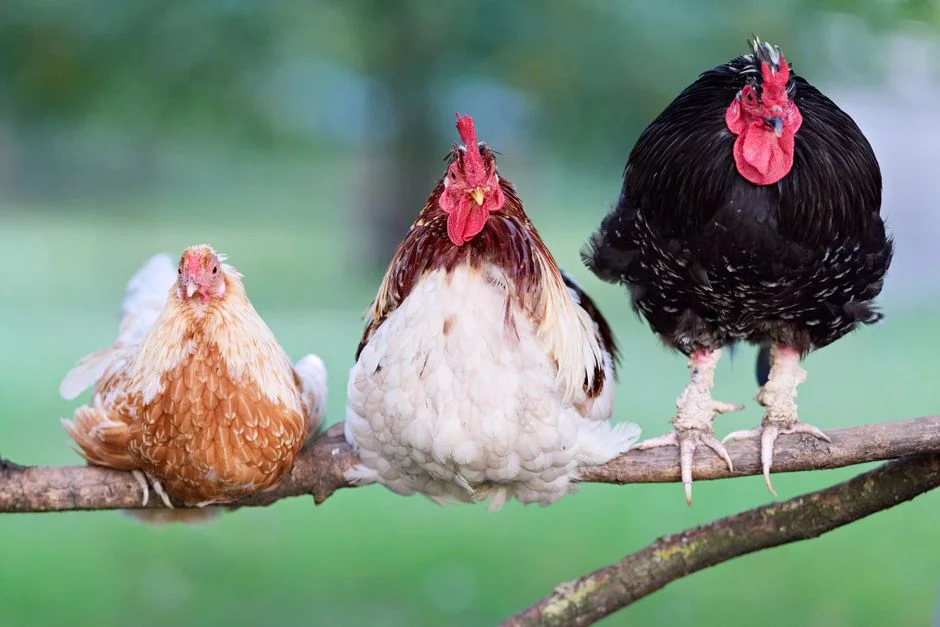
The most direct question is how many birds you’re watering and how often you want to refill. A general field rule is one gallon per eight to ten birds per day in temperate weather; heat increases consumption, cold decreases it slightly. A 1.5-gallon unit covers a small flock of four to six birds for one to two days comfortably. A 3-gallon unit serves eight to twelve birds for a full day without running dry.
Past six or seven birds, the frequency of daily refilling becomes the primary frustration. That’s the threshold where capacity starts to matter more than price. Choosing undersized capacity and refilling twice a day is a tradeoff that seems minor until it’s January and the walk to the coop is through a foot of snow.
Insulation Versus Heating
Insulation and heating are not interchangeable, and it’s worth being clear-eyed about the distinction before purchasing. An insulated waterer slows temperature change — it buffers against short overnight freezes and keeps water cooler in summer heat. A heated waterer uses electricity to maintain water above freezing regardless of ambient temperature.
For climates where winter nights occasionally drop below freezing but rarely stay there for days at a stretch, insulation is likely sufficient. For climates with sustained hard winters — extended stretches below 20°F — insulation alone will not keep water liquid overnight. Owner reports from northern climates consistently flag this distinction. Knowing your actual winter lows determines which solution fits. For a full breakdown of heated and insulated options side by side, the chicken waterer hub is the practical starting point.
Waterer Placement and Access
Where you mount or position the waterer affects which capacity makes sense. If the waterer sits on the ground inside the coop, a larger unit is easy to manage. If it hangs at a height, or if you’re carrying it across a yard each morning for a fill, the weight of the full insulated unit becomes a real factor. Owner complaints about the 3-gallon unit’s weight are almost uniformly from keepers who carry it a meaningful distance when full.
Nipple-style versus open-trough design also affects cleanliness. The Omlet units use a design that minimizes debris and bedding contamination compared to open-top drinkers. That’s a practical advantage in coops where birds scratch bedding into everything — and it’s one of the reasons the Omlet units get consistent positive marks from owners focused on water cleanliness.
Cleaning and Maintenance
Any waterer requires regular cleaning to prevent algae and bacterial buildup. Insulated double-wall construction is marginally harder to clean than a single-wall unit because the exterior seam and interior corners hold residue. Owner reports don’t flag this as a major problem with the Omlet units, but it’s worth knowing before purchase. A bottle brush and a dilute vinegar solution handle routine cleaning adequately.
Frequency matters: a waterer that’s refilled daily is cleaned more often than one that’s topped off every few days, which keeps contamination lower overall. Owners who refill on a consistent schedule report fewer cleanliness issues than those who let the unit run down.
Top Picks
Omlet Insulated Chicken Waterer, 3 Gallon
The Omlet Insulated Chicken Waterer, 3 Gallon is the primary recommendation for medium flock keepers — eight to twelve birds — who need meaningful capacity and real insulation without wiring a heated unit to the coop. Published specs confirm the double-wall insulated construction; owner reports confirm it outperforms uninsulated alternatives in cold-weather temperature retention.
The weight penalty is real and worth acknowledging. Full, this unit requires two hands and a deliberate carry. If portability is a significant concern — if the coop layout means regular hauling — that’s a practical factor in the purchase decision.
For keepers in the target flock-size range with genuine winters and a coop where the waterer can sit in a fixed position, the 3-gallon unit earns consistent owner endorsement. It does what it says on the spec sheet without requiring electricity or a separate heating component for all but the hardest freezes.
Check current price on Amazon.
Omlet Insulated Chicken Waterer, 1.5 Gallon
The Omlet Insulated Chicken Waterer, 1.5 Gallon covers a smaller niche more precisely: four to seven birds, moderate climates with occasional freezing nights, and a setup where portability matters. The reduced capacity means more frequent refills for anything above a small flock, but the lighter filled weight makes it a more practical choice for keepers who move the waterer regularly.
Owner feedback on the 1.5-gallon closely mirrors the 3-gallon in quality terms — same construction, same insulation performance, same brand reliability — scaled to a smaller footprint. The primary distinction is that capacity limitations will become apparent faster as flock size grows.
For a starter flock of three to six birds, or for a keeper who already has a primary waterer and wants a secondary unit for a smaller coop partition or brooder setup, the 1.5-gallon is appropriately sized.
Check current price on Amazon.
Omlet Insulated Chicken Waterer, 3 Gallon (Variant)
The Omlet Insulated Chicken Waterer, 3 Gallon is a separate listing with the same capacity and insulation profile as the primary 3-gallon unit. Published specs align with the other 3-gallon offering — double-wall construction, mid-range price tier, identical intended flock-size coverage.
Where owner reviews distinguish between the two listings, the differences reported are minimal: same performance, same weight profile, same cleaning requirements. If one listing shows better availability or pricing at time of purchase, either is a sound choice for the medium-flock use case described above.
For larger flocks pushing fifteen or more birds, it’s worth acknowledging plainly that neither 3-gallon unit fully solves daily refilling — capacity math at that scale points toward either multiple units or a higher-volume alternative.
Check current price on Amazon.
Alternatives to Consider
The Omlet insulated units occupy a specific mid-range position. If budget is the primary driver, standard uninsulated plastic waterers cost less up front but require daily management in cold weather and add no thermal buffer whatsoever. That tradeoff is clear.
For keepers with hard northern winters who need genuine freeze protection, a purpose-built heated waterer with a thermostat is a more reliable solution than insulation alone. The chicken waterer hub covers the full range of heated, insulated, and standard options with flock-size guidance for each tier. Two other options worth naming: the Harris Farms Heated Poultry Waterer for sustained cold climates where electricity is available, and the RentACoop Automatic Chicken Waterer for keepers who want to reduce daily refilling through an auto-fill setup rather than increased capacity.
Frequently Asked Questions
Will the Omlet insulated waterer prevent freezing overnight?
The insulated construction slows temperature change significantly, but it does not prevent freezing in sustained hard-freeze conditions. Owner reports indicate reliable performance through nights that dip below freezing but return above it by morning. For extended stretches below 20°F, insulation alone is not sufficient — a heated waterer or heated base is the more reliable solution for those conditions.
Which size is right for a flock of eight birds?
The 3-gallon unit is the appropriate choice for eight birds. At that flock size, the 1.5-gallon will require refilling daily or more often in warm months when water consumption increases. The 3-gallon provides meaningful buffer and reduces refilling to once daily under normal conditions, which is the practical threshold most owners are trying to reach.
How heavy is the 3-gallon unit when full?
Water weighs approximately 8.3 pounds per gallon, so a full 3-gallon unit is carrying roughly 25 pounds plus the weight of the insulated shell. Owner reports consistently flag the filled weight as a real factor for keepers who carry the unit a significant distance. If portability is a priority, the 1.5-gallon is a more manageable option, or the 3-gallon should be positioned where it can be filled in place.
When should I choose a heated waterer over the Omlet insulated option?
If your winters include sustained periods below 20°F — nights that stay hard-frozen for days rather than dropping and recovering — a thermostatically controlled heated waterer is the more reliable choice. The Omlet insulated units excel in climates with variable winters where overnight freezes are common but not sustained. For genuine northern winters with extended hard freezes, electricity to the coop and a heated unit is the honest solution.
Is the Omlet insulated waterer worth the mid-range price over a basic plastic waterer?
For keepers in cold climates, the insulation pays for itself in reduced daily maintenance quickly — particularly if you’re breaking ice or hauling unfrozen water from the house each morning. For keepers in mild climates where freezing isn’t a concern, a standard plastic waterer may be entirely adequate and the premium for insulation adds little practical benefit. The price differential is most justified where winter management is an active part of the flock-keeping routine.
For a broader look at styles beyond the Omlet lineup, see the main chicken waterer guide.
Omlet Insulated Chicken Waterer: Pros & Cons
- Blocks 99% of light, preventing slimy buildup and green algae growth.
- Includes both cups and nipples, allowing switching between two drinking methods.
- Plastic construction means no built-in heating element; insulation only helps slow freezing rather than prevent it.
Where to Buy
Omlet Insulated Chicken WatererSee Omlet Insulated Chicken Waterer, 3 Ga… on AmazonThis review is one of several options covered in our main buying guide for this category.